Welcome To Glint News.....
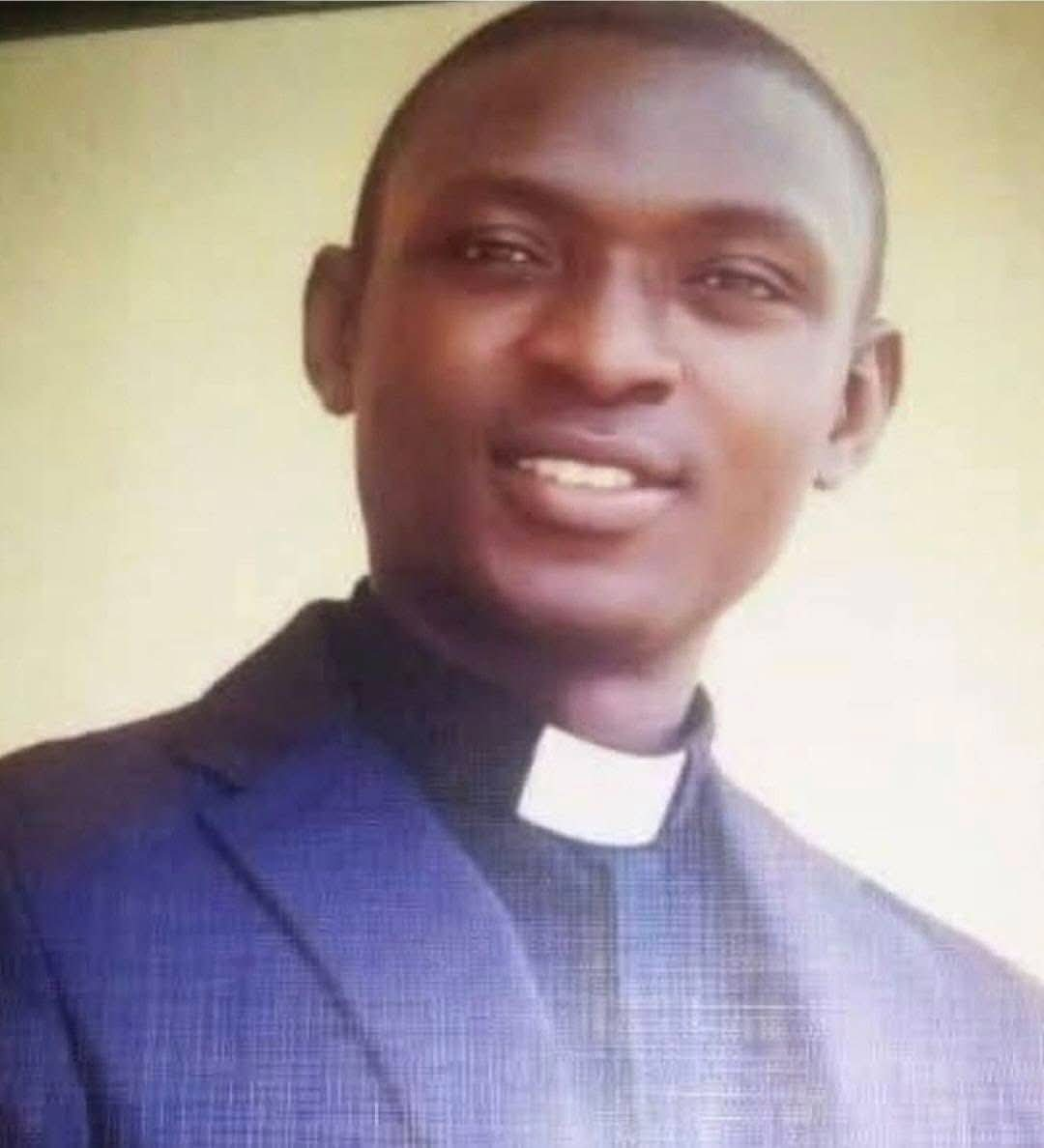
Another Priest Kidnapped and Killed Hours After Kwara Church Attack, Days After Others Were Ambushed
KADUNA, NIGERIA — 19 November 2025
Nigeria’s persistent security challenges resurfaced tragically on Tuesday following the killing of Rev. Fr. Bobbi Paschal, the Parish Priest of Saint Stephen’s Catholic Parish, Kushe Gugdu, in Kagarko Local Government Area of Kaduna State. His abduction and death occurred only hours after a violent incident at a church in Kwara State and just days after other religious workers were ambushed in separate attacks across the country.

According to early information gathered from community members and local contacts, Rev. Fr. Paschal was taken from his residence in the early hours of Tuesday by unidentified armed men. The attackers reportedly gained access to the parish premises before escaping into nearby forested areas. Shortly after his abduction, reports emerged confirming that the priest had been killed.
Residents of Kushe Gugdu were left deeply shaken as news of the incident spread. Parishioners described the late cleric as a calm, selfless priest who devoted much of his work to community support, peace-building activities, and outreach programs for vulnerable residents. His death has left the parish in mourning and heightened fears among locals living within areas affected by recurring insecurity.
Community members say that the region has witnessed several attacks in recent months, including kidnappings, assaults on rural settlements, and incidents targeting worship centres. Many residents expressed frustration that despite repeated appeals for additional security presence, rural communities continue to face threats from armed groups operating across forest corridors in parts of Kaduna and neighbouring states.
Human rights advocate Musa BM Azzaman, who raised early alarm about the priest’s death, expressed deep concern about the continuing instability across Nigeria’s rural and semi-urban regions. He noted that clergy and community leaders have increasingly found themselves vulnerable due to the expanding activities of armed groups and the limited capacity of local security structures. While emphasizing the need for coordinated action, he urged federal and state authorities to strengthen community-based security approaches and ensure better protection for civilians.
The killing follows closely after an attack on a church in Kwara State, where armed intruders disrupted a prayer gathering, leaving several members injured. In recent weeks, there have also been reports of religious workers ambushed on highways and during community visits across multiple northern states. These recurring incidents have raised concerns among religious organisations, civil society groups, and security analysts, who believe the trend reflects the broader challenges facing Nigeria’s fight against armed criminality.
Security experts monitoring developments in northern Nigeria say the instability stems from a combination of factors, including limited surveillance in remote areas, overstretched security personnel, and the activities of criminal networks that exploit ungoverned forest zones. They note that incidents affecting worship centres often spark public alarm due to the symbolic importance of such locations within their communities.
The federal government has repeatedly stated that it is intensifying efforts to address the country’s complex security challenges, emphasizing ongoing military operations, regional collaborations, and investments in surveillance technology. However, local leaders argue that communities at the grassroots still experience slow security response times and prolonged periods of vulnerability, especially in areas located far from major urban centres.
International attention has also increasingly focused on Nigeria’s internal security issues. Recent comments from foreign officials, including concerns raised by the United States regarding violent attacks affecting various communities, have sparked renewed discussions on the global stage about Nigeria’s security environment. While government officials maintain that some international assessments oversimplify a multifaceted problem, they acknowledge the need for sustained collaboration and long-term strategic planning to achieve meaningful stability.
Within Kaduna State, religious associations have issued statements calling for calm while urging authorities to carry out a thorough investigation into Rev. Fr. Paschal’s death. Church leaders emphasise that Nigeria’s diverse religious communities have coexisted peacefully for generations and that safeguarding places of worship—regardless of denomination—must remain a priority for policymakers.
As residents of Kushe Gugdu gather for prayers and remembrance vigils, many reflect on the need for renewed unity and resilience. The death of Rev. Fr. Bobbi Paschal, they say, represents not only the loss of a dedicated priest but also a reminder of the urgent need for improved security measures that protect citizens across all regions.
Across social media platforms, Nigerians from different backgrounds have shared condolences, called for reforms, and urged the government to reinforce protection for communities affected by insecurity. Public sentiment continues to lean strongly toward the need for coordinated federal, state, and community efforts that address both immediate threats and long-term root causes.

The tragic incident adds to a long list of security-related challenges facing Nigeria as the nation works to restore peace in regions affected by armed violence. For now, residents of Kagarko and the broader Kaduna community mourn yet another life lost and continue to hope for a future where such incidents become far less common.
We keep you informed and involved with anything from breaking news to thought-provoking opinion articles.