Welcome To Glint News.....

Abuja / Washington, D.C. – The Nigerian government has intensified diplomatic efforts to reassure the United States of its commitment to addressing rising insecurity, sending a high-powered delegation to Washington, D.C. for urgent meetings with American lawmakers. The visit, which involved direct engagements with U.S. Congressman Riley Moore, comes just hours before the U.S. House of Representatives convenes a critical hearing on 20 November 2025 to examine Nigeria’s human-rights record, protection of Christian communities, and response to armed-group violence.

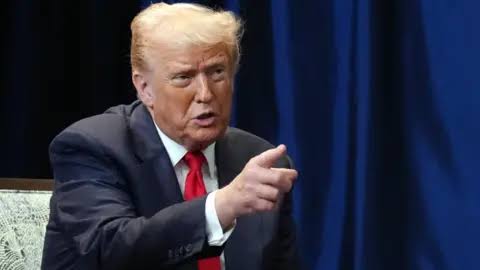
According to the statement released by Congressman Moore, the Nigerian delegation was led by National Security Adviser Nuhu Ribadu, accompanied by senior security chiefs, legal advisers, and diplomatic representatives. Their swift arrival in Washington signals Abuja’s growing concern over the tone of U.S. congressional discussions in recent weeks, particularly after President Donald Trump and several legislators voiced strong disapproval of continued attacks affecting Christian populations in Nigeria.
Read also: VIDEO:CHRISTAINS ARE BEING TARGETED IN NIGERIA,DRIVEN FROM THEIR HOMES , NICKI MINAJ TELLS UN
https://glintnews.com/news/videochristains-are-being-targeted-in-nigeriadriven-from-their-homes-nicki-minaj-tells-un
American officials have become increasingly vocal about what they describe as insufficient progress in safeguarding communities vulnerable to targeted violence. The Nigerian delegation’s mission, insiders reveal, is aimed at preventing any shift in U.S. policy that could include tighter diplomatic conditions, revised security cooperation agreements, or renewed debates on sanctions and aid restrictions.
During their meeting, Congressman Moore stressed that the United States recognizes Nigeria as a strategic partner but expects clearer and more measurable progress in protecting religious and ethnic minority communities. He described the discussions as “frank, honest, and productive,” noting that both sides shared concerns about the safety of civilians in conflict-affected regions. While he reaffirmed America’s willingness to collaborate with Nigeria, he emphasized that Washington must “see tangible steps” from Abuja toward improving security management, human-rights protection, and accountability across affected areas.

Moore highlighted that U.S. lawmakers have received numerous briefs from humanitarian groups, faith-based organizations, and regional analysts warning about the risks of continued instability. He noted that Christians in specific northern and central regions remain particularly vulnerable, and that the United States views the protection of these communities as a central component of its partnership with Nigeria. His comments echoed earlier statements by President Trump, who insisted that attacks on vulnerable populations “will not be overlooked” and urged the Nigerian government to demonstrate firmer resolve in addressing the crisis.
For Nigeria, the timing could not be more delicate. Today's congressional hearing is expected to include testimonies from religious-freedom advocates, global human-rights monitors, and intelligence experts. These testimonies may shape how Congress evaluates Nigeria’s internal security posture, potentially influencing future diplomatic engagement, security assistance frameworks, and bilateral cooperation programs. Nigerian officials traveling with Ribadu are aware that a negative outcome could complicate future relations and fuel calls for stronger American intervention in West Africa’s stability issues.
In their briefing with Congressman Moore, the Nigerian delegation outlined several ongoing security initiatives. They provided updates on national coordination mechanisms, policing reforms, and responses to armed-group activities in regions affected by prolonged insecurity. The officials emphasized Nigeria’s commitment to protecting civilians and improving collaboration with international partners. Members of the delegation included Minister of State for Foreign Affairs Bianca Ojukwu, Inspector General of Police Kayode Egbetokun, Attorney General Lateef Fagbemi (SAN), Chief of Defence Staff General Olufemi Oluyede, Chief of Defence Intelligence Lt. Gen. E.A.P. Undiandeye, Special Adviser to ONSA Idayat Hassan, and senior diplomatic staff from the Nigerian Embassy in Washington.
Diplomatic sources say the Nigerian team sought to present a unified message, projecting readiness to deepen security cooperation and address longstanding concerns raised by U.S. policymakers. The officials reassured Washington that Nigeria is committed to improving community protection measures, reducing displacement, and strengthening legal frameworks that address human-rights violations.
Congressman Moore, however, emphasized that while the United States values its relationship with Nigeria, expectations remain high. He reiterated that American policymakers want to see steady improvements on the ground—particularly in safeguarding religious minorities and enhancing accountability mechanisms within Nigeria’s security institutions. He also noted that the United States views Nigeria as having a pivotal opportunity to reinforce trust through transparent actions that reassure affected communities.
The urgent diplomatic trip highlights the seriousness with which Nigeria views the U.S. congressional hearing. With advocacy organizations and policy analysts expected to present strong positions before Congress, Abuja faces significant pressure to demonstrate that it is taking credible steps toward addressing the root causes of insecurity. The Nigerian government hopes that its direct engagement with U.S. lawmakers will temper calls for harsher measures and preserve the strategic partnership that both nations have long relied upon.

As the congressional hearing unfolds, the Nigerian delegation is expected to continue consultations with U.S. officials, human-rights bodies, and foreign-policy advisers. Observers say the coming days will be crucial in determining whether the assurances provided by Nigerian officials will be considered sufficient or whether Washington will push for stronger commitments and monitoring mechanisms.
For now, the future of U.S.–Nigeria relations hinges on how effectively Nigeria can convince American policymakers that meaningful progress is underway. Whether this urgent diplomatic mission succeeds will become clearer in the aftermath of the congressional proceedings and in the pace of reforms Nigeria implements in the months ahead.
We keep you informed and involved with anything from breaking news to thought-provoking opinion articles.