Explosions heard all over Iran as US strikes ...... Welcome to Glintnews......

Economic Hardship, Insecurity Worsening Daily — Health Workers Warn Tinubu Government, Oppose Health Sector Bills
The Nigerian Union of Allied Health Professionals (NUAHP) has raised fresh concerns over the country's worsening economic hardship, growing insecurity, and what it described as attempts to destabilise the health sector through controversial legislative amendments currently before the National Assembly.
The union issued the warning on Friday at the end of its statutory National Executive Council (NEC) meeting held virtually, where health professionals from across Nigeria reviewed pressing national and sectoral issues affecting workers and the healthcare system.
The meeting brought together members of the National Administrative Council, NEC representatives from health institutions across the 36 states and the Federal Capital Territory, as well as leaders of healthcare professional associations affiliated with the union.
In a communiqué released after the meeting, the union's National President, Dr. Kamal Ibrahim, urged the Federal Government to urgently address the rising cost of living, persistent energy crisis, and deteriorating security situation, warning that the challenges continue to place unbearable pressure on Nigerian workers and ordinary citizens.
According to Ibrahim, economic conditions have become increasingly difficult for many Nigerians, with inflation, high transportation costs, expensive energy prices, and declining purchasing power making daily survival more challenging.
"The Federal Government must demonstrate renewed political will to tackle the long-standing energy crisis that has continued to negatively affect the living conditions of Nigerian workers and citizens. The consequences of this challenge are evident across all sectors of the economy," he said.
The union blamed successive administrations for failing to fully harness Nigeria's petroleum resources and ensure the effective operation of local refineries, arguing that the country's dependence on external energy markets has continued to expose citizens to economic shocks.
Beyond economic concerns, NUAHP expressed deep worry over the resurgence of insecurity in various parts of the country. While acknowledging recent military successes against terrorists, bandits, and other criminal groups, the union noted that attacks and violent crimes remain a major threat to national stability and economic development.
The health workers called on the Federal Government to intensify efforts aimed at protecting lives and property, stressing that sustainable economic growth cannot be achieved in an atmosphere of fear and insecurity.
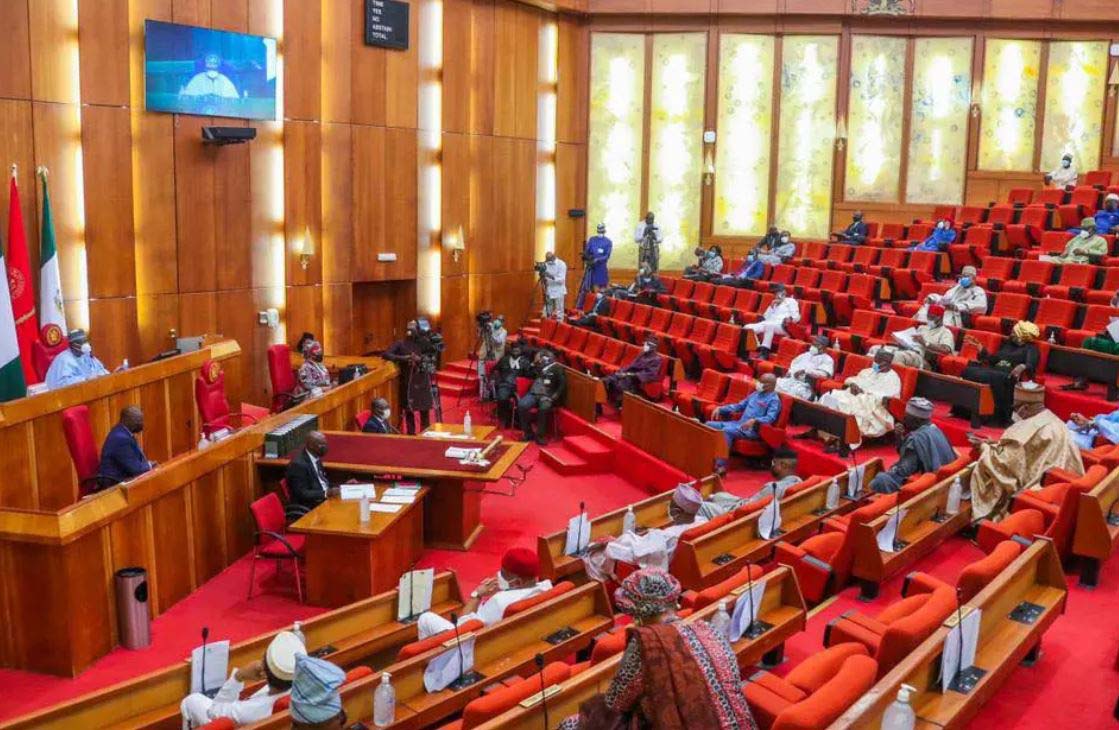
A major highlight of the NEC meeting was the union's strong opposition to ongoing attempts by the National Assembly to amend laws establishing health regulatory councils in Nigeria.
NUAHP warned that the proposed amendments could create what it described as an "apartheid-like" structure within the health sector by placing medical and dental practitioners in supervisory positions over other healthcare professions.
The union argued that such a move would undermine the autonomy of other health professions, create unnecessary tensions among healthcare workers, and ultimately weaken healthcare service delivery across the country.
"The NEC observed the danger inherent in the ongoing attempt by the National Assembly to amend the Acts establishing the Health Regulatory Councils. Such amendments could impose medical and dental practitioners over the professional regulatory control of other healthcare professions, creating an unhealthy imbalance in the sector," Ibrahim stated.
The union maintained that every healthcare profession possesses distinct responsibilities, competencies, and regulatory frameworks which should remain independent and protected by law.
NUAHP further called on lawmakers to immediately halt consideration of the Health Sector Executive Bills 2026, citing ongoing legal disputes surrounding certain aspects of the proposed legislation.
According to the union, proceeding with legislative deliberations while related court cases remain unresolved could undermine public confidence in the legislative process and potentially violate established parliamentary procedures.
The health professionals specifically referenced Senate Standing Order 52(5), which discourages debates on matters that are currently before the courts where such discussions could prejudice ongoing legal proceedings.
"We urge the National Assembly to stop further consideration of these Health Sector Executive Bills 2026 as currently articulated, in the interest of peace, stability, and harmony within Nigeria's health sector ecosystem," the communiqué stated.
The union also accused the Federal Government of failing to fully implement agreements reached with health workers following the suspension of the 84-day strike embarked upon by the Joint Health Sector Unions (JOHESU).
According to NUAHP, several aspects of the agreement remain outstanding months after the industrial action was suspended, including the full implementation of the adjusted Consolidated Health Salary Structure (CONHESS).
The union recalled that the strike was suspended on February 6, 2026, following negotiations with government representatives, but noted that many commitments made during those discussions have yet to be fulfilled.
Health workers warned that continued delays in implementing agreed welfare packages could negatively affect morale within the sector and further worsen the ongoing brain drain challenge facing Nigeria's healthcare system.
Additionally, NUAHP called for the immediate implementation of policies aimed at expanding internship opportunities for young healthcare professionals, arguing that such measures would help address existing gaps in training and workforce development.
Despite the concerns raised, the union urged its members nationwide to remain committed to professional ethics and quality service delivery while ongoing engagements with government agencies continue.
The leadership assured members that discussions with relevant ministries, departments, and agencies are ongoing to ensure the implementation of outstanding agreements and improve working conditions for healthcare professionals across the country.
At the conclusion of the meeting, the NEC renewed its call for urgent government intervention to tackle economic hardship, strengthen national security, address unresolved welfare issues affecting health workers, and preserve industrial harmony within Nigeria's health sector.
The union warned that without decisive action, the combined effects of economic hardship, insecurity, and unresolved labour concerns could further strain an already fragile healthcare system and deepen the challenges facing millions of Nigerians
We keep you informed and involved with anything from breaking news to thought-provoking opinion articles.