Explosions heard all over Iran as US strikes ...... Welcome to Glintnews......
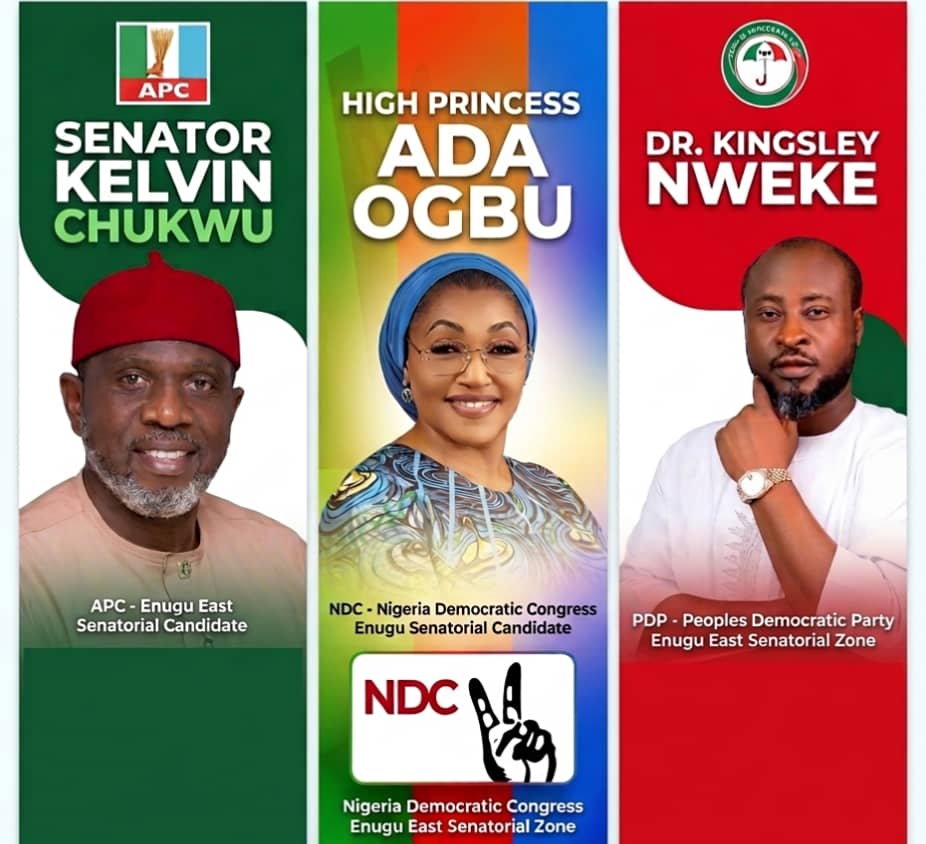
Is the Constitutional Minimum Educational Qualification Enough for Nigeria's Senate? Should Enugu East Settle For Less Qualified As Their Next Senator
By Glintnews Critical Thinking Desk
As Nigeria approaches the 2027 general elections, voters are once again confronted with an important constitutional and democratic question: Should meeting the minimum legal qualification for election into the Senate be enough, or should voters demand higher educational attainment, professional competence and legislative capacity from those seeking to represent them?
The publication of candidates' particulars by the Independent National Electoral Commission (INEC) on 1 August 2026 has brought this debate into sharp focus, particularly in Enugu East Senatorial District.
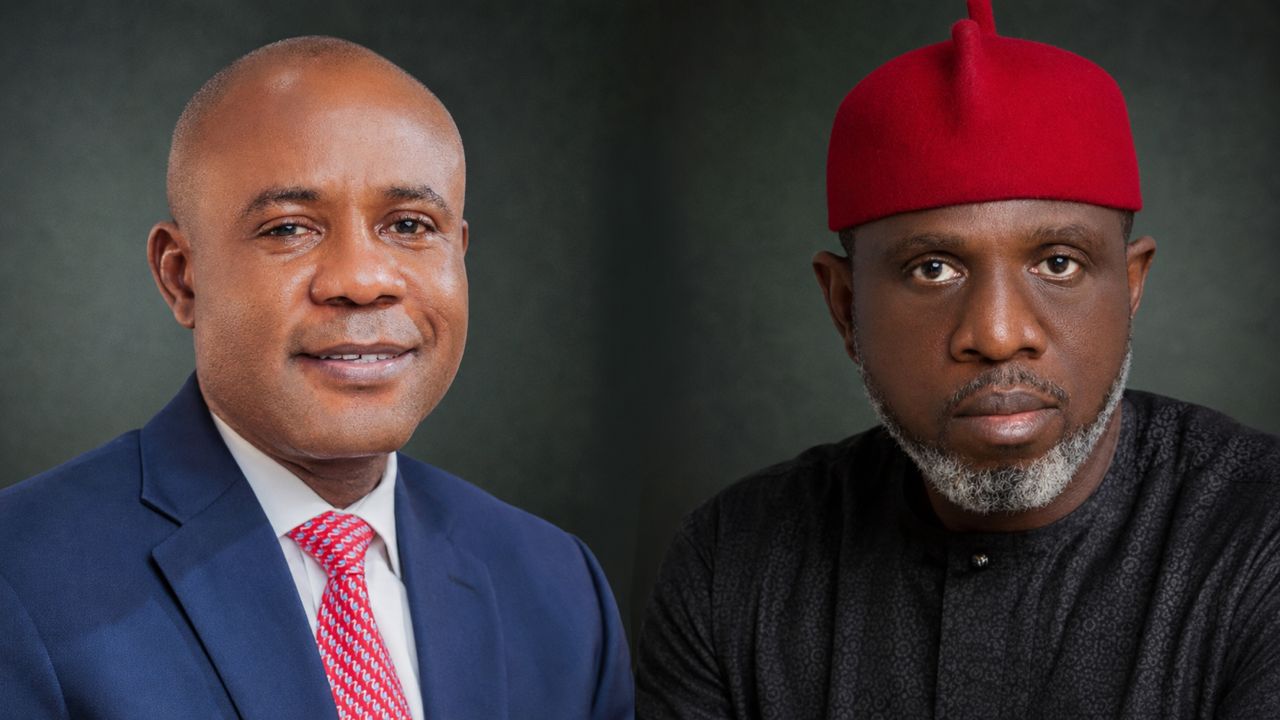
Among the published documents are those of the Peoples Democratic Party (PDP) senatorial candidate, Nweke Kingsley Chizoba, popularly known as Oda Opue.
According to the educational information contained in the published documents, the candidate listed WAEC as his educational qualification under the secondary school category. The section for higher education does not indicate a higher qualification. Assuming the published documents accurately reflect his filing, this means the candidate relies on that qualification to satisfy the constitutional requirements for contesting the Senate seat.

It is important to state that under the Constitution of the Federal Republic of Nigeria, this may satisfy the legal threshold for eligibility. Therefore, the issue is not whether the candidate is legally qualified, but whether Enugu East deserves representation that goes beyond the constitutional minimum or the least qualified candidate .

The Nigerian Senate Is Not an Ordinary Office
The Senate is one of the most influential institutions in Nigeria's constitutional democracy.
A senator is expected to debate complex bills, scrutinize national budgets worth trillions of naira, oversee ministries and agencies, review constitutional amendments, participate in committee investigations, evaluate executive appointments and defend the interests of constituents in national policy discussions.
These responsibilities require analytical ability, continuous learning, sound judgment, communication skills and the capacity to engage with technical legislative documents.
While education alone does not determine competence, the complexity of modern governance has made academic preparation and professional experience increasingly valuable assets for effective legislative service.
Why Qualification Matters
Today's senators are expected to debate issues involving artificial intelligence, cybersecurity, petroleum reform, taxation, international treaties, healthcare financing, climate change, constitutional law, monetary policy and national security.
These are not matters that can be approached casually.
Legislative effectiveness depends on the ability to understand detailed reports, question experts, negotiate amendments and contribute meaningfully during committee proceedings.
This is why many of Nigeria's most visible senators have distinguished themselves through a combination of education, experience and legislative engagement.
Many Senator in Nigeria today has been swallowed by the office of the senate due to their low educational qualification which prevent them from engaging in important activities in the senate , some lack the courage to approach the necessary bodies to request for what belongs to their people because they lack means of approach due to low educational background raising the question : Should Enugu East settle for less and share the same fate again ?
Learning From High-Profile Senators
Across party lines, several Nigerian senators have earned national recognition through their active participation in parliamentary debates and oversight.
Senator Enyinnaya Abaribe has built a reputation for detailed interventions on constitutional issues, security and governance.
Senator Dino Melaye became known for his vigorous participation in debates, motions and investigations.
Senator Natasha Akpoti-Uduaghan has gained national attention through committee work and legislative advocacy on infrastructure and governance.
Senator Adams Oshiomhole entered the Senate with decades of experience as a labour leader and governor, bringing executive and policy experience into legislative deliberations.
Whether one agrees with their politics or not, these lawmakers illustrate that effective representation requires preparation, visibility and the ability to contribute meaningfully to national discourse.

The Enugu East Question
For years, many residents of Enugu East have expressed concern that the district has not consistently enjoyed the level of national legislative influence that matches its political importance.
The publication of candidates' credentials has therefore prompted many voters to ask whether the next senator should possess not only legal eligibility but also the academic, professional and leadership profile necessary to compete effectively in today's Senate.
In that context, the educational profile published for the PDP candidate has become part of the public debate.
The question before voters is not whether the candidate has met the constitutional minimum. Rather, it is whether meeting the minimum, Why must Enugu East Senator has the lowest educational qualification ? should WAE filled with F9 be enough for the country's highest legislative offices.
Beyond Certificates
Education should never be the only measure of leadership.
Integrity, experience, vision, communication skills and commitment to public service are equally important.
However, voters are entitled to ask difficult but legitimate questions:
What experience has the candidate acquired in public policy or governance?
What evidence demonstrates preparedness for legislative work?
How will the candidate engage with highly technical bills and committee assignments?
What legislative agenda has been presented to the people of Enugu East?
What achievements demonstrate readiness for national lawmaking?
These are reasonable questions in any democracy.
Raising the Standard
Democracy allows every eligible citizen to seek public office. At the same time, democracy also empowers voters to set higher expectations than the constitutional minimum.
The future of Enugu East depends not only on electing a senator but on electing one capable of influencing national debates, attracting federal projects, defending regional interests and contributing meaningfully to lawmaking.

As campaigns intensify, voters should carefully evaluate every candidate not only by political party or popularity, but by competence, vision, experience and preparedness for one of the most demanding legislative offices in the country.
Ultimately, the ballot belongs to the people. The Constitution establishes the minimum qualifications for office, but it is the electorate that decides whether those minimums are sufficient for the representation they desire.
We keep you informed and involved with anything from breaking news to thought-provoking opinion articles.