Explosions heard all over Iran as US strikes ...... Welcome to Glintnews......
IMF Raises Alarm Over Nigeria’s Proposed $5 Billion Abu Dhabi Loan Deal, Warns of Hidden Risks and Transparency Concerns
June 10, 2026
The International Monetary Fund (IMF) has raised serious concerns over Nigeria’s proposed plan to secure a massive $5 billion loan through a derivatives-based financing arrangement with First Abu Dhabi Bank, warning that the deal could expose the country to significant financial and transparency risks.
The warning comes just months after the Nigerian Senate approved the controversial transaction in April 2026, clearing the path for the administration of President Bola Ahmed Tinubu to pursue the financing package as part of efforts to refinance existing debt obligations and fund critical infrastructure projects.
Nigeria’s planned borrowing arrangement is structured as a Total Return Swap (TRS), a complex financial instrument that has increasingly attracted interest among some African governments seeking alternative sources of financing amid challenging global economic conditions.
However, the IMF says such transactions often come with hidden dangers.
Speaking to journalists on Tuesday, the IMF Resident Representative in Nigeria, Christian Ebeke, expressed concern about the opacity typically associated with derivative-based financing structures.
“Our view is that transactions in these types of structures carry risks. Usually, they are opaque, so the terms are not always very transparent when we review these instruments across countries,” Ebeke stated.
His remarks underscore growing concerns among international financial experts who fear that complex debt arrangements could make it more difficult for citizens, lawmakers, and even financial institutions to fully understand the long-term implications of borrowing agreements.
Rather than relying on sophisticated derivative instruments, the IMF advised Nigeria to consider more conventional borrowing mechanisms, including Eurobond issuances and concessional financing arrangements that often come with clearer terms and lower risks.
The Fund emphasized that while innovative financing methods can provide immediate liquidity, they may also introduce hidden obligations and future repayment challenges if not carefully managed.
Financial analysts note that Total Return Swaps have gained popularity in some developing economies because they can provide access to substantial funding without the immediate visibility associated with traditional sovereign debt. However, critics argue that the complexity of such instruments may conceal costs that become apparent only years later.
Nigeria joins countries such as Senegal and Angola that have recently explored similar financing models in efforts to address fiscal pressures and development financing needs.
Despite its concerns over the proposed Abu Dhabi financing deal, the IMF acknowledged that Nigeria has made significant economic progress since President Tinubu assumed office in 2023.
According to the Fund’s latest Article IV Consultation report, key reforms implemented by the administration, including the removal of fuel subsidies, exchange rate liberalisation, and tighter monetary policy measures, have helped strengthen the country’s macroeconomic fundamentals.
The IMF noted that these reforms have contributed to improved fiscal buffers, increased investor confidence, reduced market distortions, greater exchange rate flexibility, and enhanced access to international capital markets.
The report further highlighted that Nigeria has witnessed renewed interest from foreign portfolio investors, helping to improve liquidity within the financial system and support economic stability.
One of the most notable achievements highlighted by the IMF is the significant improvement in Nigeria’s foreign reserve position.
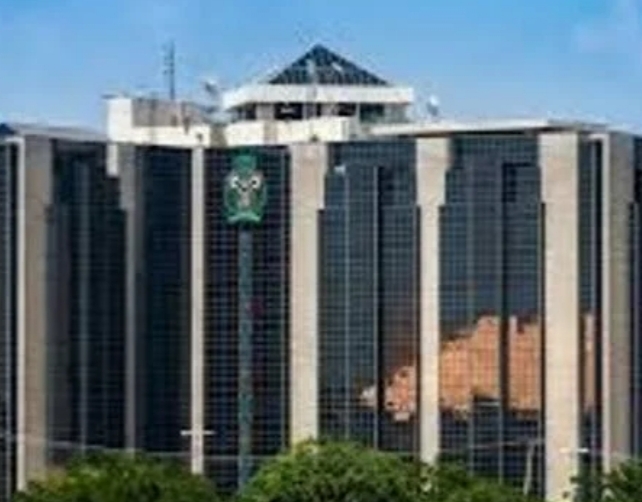
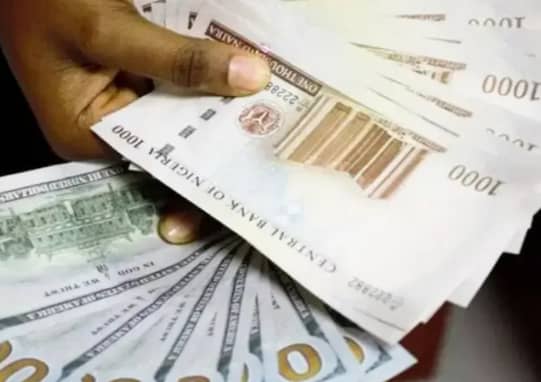
According to data from the Central Bank of Nigeria (CBN), the country's gross external reserves have risen to approximately $50 billion, marking their highest level in almost twenty years.
Economic experts say the growth in reserves provides a stronger buffer against external shocks and improves the nation’s ability to meet international obligations.
The reserve build-up is also viewed as a positive signal to international investors and credit rating agencies assessing Nigeria’s financial outlook.
However, the IMF cautioned that positive macroeconomic indicators do not necessarily reflect the realities facing ordinary Nigerians.
The Fund expressed concern that while economic reforms have strengthened government finances and improved investor sentiment, many households continue to struggle with rising living costs, unemployment, and food insecurity.
According to IMF estimates, approximately 63 percent of Nigerians currently live in poverty, highlighting the enormous social challenges confronting Africa’s most populous nation.
Millions of citizens continue to grapple with high inflation, rising food prices, reduced purchasing power, limited job opportunities, and increased costs of transportation and basic services.
The IMF warned that the disconnect between improving economic statistics and worsening household conditions could generate growing social pressures if not addressed through targeted social interventions and inclusive economic policies.
The Fund also sounded the alarm over Nigeria’s increasing reliance on foreign portfolio investments, often referred to as “hot money.”
While such investments can boost foreign exchange inflows and support financial markets, they are typically short-term in nature and can leave rapidly during periods of global uncertainty.
The IMF warned that any deterioration in global financial conditions or shifts in investor sentiment could trigger capital outflows, putting renewed pressure on Nigeria’s currency and financial stability.
To reduce these risks, the organisation urged Nigerian authorities to focus on attracting more stable forms of investment, particularly Foreign Direct Investment (FDI), which tends to create jobs, transfer technology, and support long-term economic growth.
The IMF further advised Nigeria to remain vigilant against external shocks, including geopolitical tensions and global economic disruptions.
Particular attention was drawn to ongoing instability in the Middle East, which could affect energy markets, inflation trends, and global investor confidence.
As the government seeks new sources of financing for development and infrastructure expansion, the IMF stressed the importance of balancing economic reform efforts with measures that directly improve the welfare of citizens.
While Nigeria's economic reforms have earned praise from international financial institutions and improved key macroeconomic indicators, the IMF's latest warning serves as a reminder that the country's financial future remains delicately balanced.
The proposed $5 billion Abu Dhabi financing arrangement may offer immediate funding relief, but concerns over transparency, debt sustainability, and long-term risks continue to generate debate among economists and policymakers.
For many Nigerians, the ultimate measure of success will not be rising reserves or improved investor confidence, but whether economic reforms translate into lower living costs, greater employment opportunities, improved infrastructure, and a better quality of life.
As negotiations around the loan proceed, all eyes will be on how the government addresses the IMF's concerns while maintaining its ambitious economic transformation agenda.
We keep you informed and involved with anything from breaking news to thought-provoking opinion articles.