Explosions heard all over Iran as US strikes ...... Welcome to Glintnews......
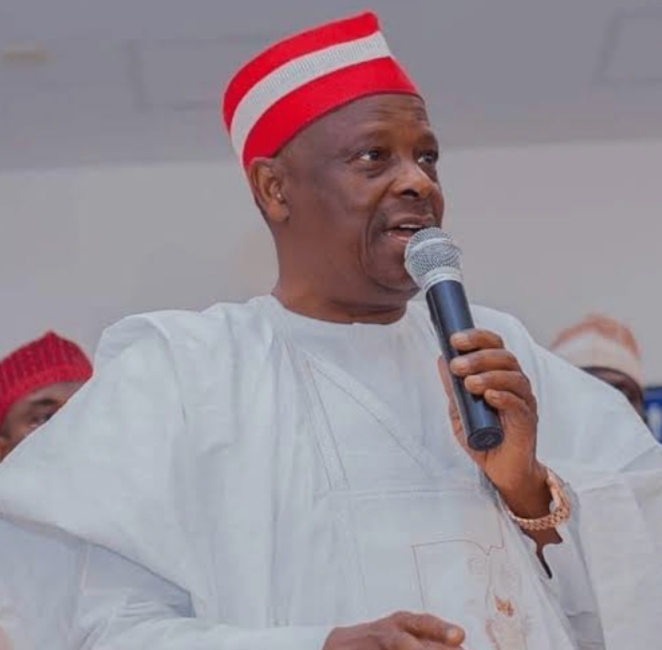
KWANKWASO SOUNDS ALARM: Nigeria Bleeding as Insecurity Spirals, Demands Urgent Overhaul of Security System
June 9, 2026
Former Kano State Governor and former Minister of Defence, Rabiu Musa Kwankwaso, has raised fresh concerns over the worsening security situation in Nigeria, warning that the nation is facing a dangerous escalation of violence despite massive investments in the security sector.
In a strongly worded statement released on Tuesday via his X (formerly Twitter) account, Kwankwaso said the persistent wave of banditry, terrorism, kidnapping, armed robbery, and communal clashes across various parts of the country has left millions of Nigerians living in fear and uncertainty.
According to him, the current security strategy has failed to deliver the expected results, leading to continued loss of lives, destruction of property, and displacement of thousands of families.
“I have noted with grave concern the escalating wave of insecurity that has engulfed our beloved nation. Once again, Nigeria is bleeding profusely,” Kwankwaso stated.
The former presidential candidate lamented that citizens in many states now live under constant threat of attacks, making it increasingly difficult for ordinary Nigerians to carry out their daily activities or enjoy peace of mind.
He specifically highlighted states such as Zamfara, Borno, Sokoto, Katsina, Kwara, and Oyo as some of the areas heavily affected by the growing security crisis, noting that residents can no longer sleep peacefully due to the fear of attacks from criminal elements.
Kwankwaso expressed particular concern over what he described as the increasing confidence and boldness of criminal groups, saying some of them now openly challenge authorities through social media platforms.
“What is most alarming is the audacity of these criminals, who now brazenly hold live sessions on social media to taunt the authorities and terrorise the public. This is totally unacceptable and not befitting of a sovereign nation like ours,” he said.
Drawing from his experience as a former governor and defence minister, Kwankwaso insisted that Nigeria’s security challenges are not beyond solution. He recalled that during his time in public office, decisive leadership, effective coordination, and community engagement helped reduce security threats significantly.
“As someone who has served this country at various levels, including as Governor of Kano State and Minister of Defence, where we confronted and significantly reduced security challenges through decisive leadership and community engagement, I remain convinced that insecurity is not insurmountable,” he noted.

Kwankwaso argued that Nigeria’s problem is not a lack of financial resources but rather insufficient political will to confront insecurity with the urgency and determination it requires. He stressed that despite huge budgetary allocations to security agencies over the years, criminal activities continue to spread across the country.
The former governor called for a comprehensive review of the nation’s security architecture, urging authorities to adopt more effective strategies capable of addressing both immediate threats and the underlying causes of insecurity.
He emphasized the need to improve the welfare, motivation, and operational capacity of security personnel, describing them as frontline defenders who deserve better support from the government.
“We must immediately prioritise the welfare and motivation of our gallant security personnel, strengthen intelligence gathering, enhance community policing, and, most crucially, tackle the root causes of this crisis; poverty, mass unemployment, and poor governance,” he stated.
Beyond military and law enforcement interventions, Kwankwaso advocated greater investment in critical sectors such as education, healthcare, agriculture, infrastructure, electricity, skills acquisition, and job creation. According to him, addressing socio-economic challenges would significantly reduce the desperation and frustration that often fuel criminal activities.
He warned that without urgent and coordinated action, insecurity could continue to undermine economic growth, discourage investment, and deepen the suffering of ordinary citizens across the country.
His comments come amid renewed national concerns over a series of deadly attacks, kidnappings, and violent incidents reported in different parts of Nigeria. Security experts and stakeholders have repeatedly called for reforms, citing the need for improved intelligence gathering, stronger collaboration between security agencies, and greater community participation in crime prevention efforts.
As the security challenges persist, Kwankwaso's intervention adds to growing calls for a decisive and comprehensive response aimed at restoring peace, protecting lives and property, and rebuilding public confidence in Nigeria’s security institutions.
For many Nigerians, the message is clear: the country can no longer afford to treat insecurity as a routine challenge. The time for urgent action, stakeholders say, is now.
We keep you informed and involved with anything from breaking news to thought-provoking opinion articles.