Explosions heard all over Iran as US strikes ...... Welcome to Glintnews......
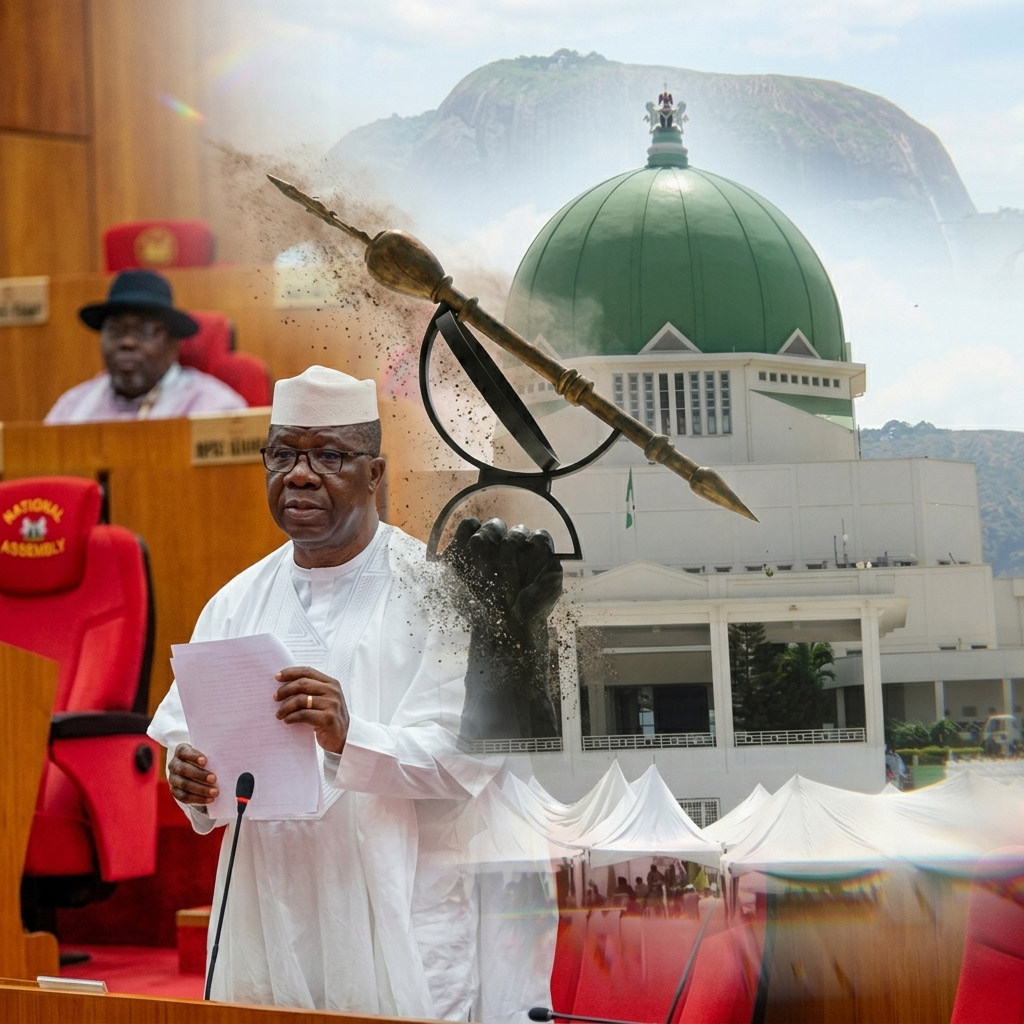
Nigeria Considers Major Constitutional Shift as Proposal for Single Six-Year Tenure Gains Attention
A proposed constitutional amendment seeking to introduce a single six-year term for presidents and state governors after the 2027 general elections is set to spark fresh debate over governance, accountability, and democratic reforms in Nigeria.
Nigeria may be heading toward another significant constitutional debate following the emergence of a proposal to replace the current two-term system for presidents and governors with a single six-year tenure.
The proposal, expected to be introduced as a constitutional amendment bill in the next legislative cycle, has already attracted attention among political analysts, constitutional experts, civil society groups, and governance advocates who believe it could reshape the country's political landscape if eventually adopted.
Under Nigeria's current constitutional framework, presidents and governors serve four-year terms and may seek re-election for a second and final term, allowing a maximum stay in office of eight years. The proposed reform would instead limit executive office holders to a single six-year term, eliminating the need for re-election campaigns.
Supporters of the proposal argue that the existing system often compels elected officials to begin planning for a second-term bid shortly after assuming office. According to this view, political calculations associated with re-election can divert attention from governance and reduce the time available for implementing policies and development programmes.

Advocates of a single six-year tenure believe the arrangement would enable leaders to focus entirely on governance from the first day in office. With no prospect of re-election, office holders would have only one opportunity to leave a lasting legacy, potentially encouraging greater commitment to policy implementation and public service delivery.
The proposal also revives a debate that has surfaced periodically in Nigeria's democratic history. Over the years, several constitutional reform conferences and political stakeholders have suggested alternative tenure arrangements, including single five-year, six-year, and seven-year terms. While none of those proposals progressed into law, they have remained part of wider discussions on how to improve governance and strengthen democratic institutions.
Political analysts note that one of the main arguments in favour of a single-term system is the possibility of reducing the influence of continuous campaign politics. Election preparation, political negotiations, alliance building, and party activities often occupy considerable attention during an incumbent's first term. Proponents argue that removing re-election considerations could allow governments to concentrate more effectively on economic development, infrastructure projects, education reforms, healthcare improvements, and institutional strengthening.
Another argument centres on the cost of elections. Nigeria's electoral process requires substantial financial and administrative resources. Supporters of constitutional reform suggest that reducing the frequency of executive election campaigns could lower political spending and ease pressure on electoral institutions.
Some observers also believe a longer single term could provide greater stability for long-term development plans. Major infrastructure projects and policy reforms often require several years before measurable results become evident. A six-year tenure could provide governments with a longer uninterrupted period to pursue such initiatives.
However, the proposal is also expected to face criticism from those who view re-election as an important mechanism of democratic accountability. Critics argue that voters should retain the opportunity to assess an incumbent's performance after four years and decide whether that individual deserves another term in office.
There are also concerns that removing the prospect of re-election may reduce incentives for some leaders to remain responsive to public demands. Others question whether tenure reform alone can address broader governance challenges such as corruption, weak institutions, economic management, and policy implementation.
Constitutional experts note that any attempt to introduce a single six-year tenure would require significant amendments to Nigeria's Constitution. Such amendments would need approval through the constitutionally prescribed legislative process, including support from the National Assembly and ratification by state legislatures.
As discussions begin to take shape, the proposal is likely to generate extensive debate among political parties, legal scholars, civil society organisations, and members of the public. The conversation touches on fundamental questions about governance, leadership, accountability, and the future direction of Nigeria's democratic system.
Whether the proposal ultimately succeeds or not, its introduction is expected to contribute to a broader national discussion about how best to strengthen democratic institutions and improve governance outcomes in Africa's most populous nation.
The coming months may determine whether the idea evolves into a serious constitutional reform effort or remains another proposal in Nigeria's long history of political restructuring debates.
We keep you informed and involved with anything from breaking news to thought-provoking opinion articles.