Explosions heard all over Iran as US strikes ...... Welcome to Glintnews......
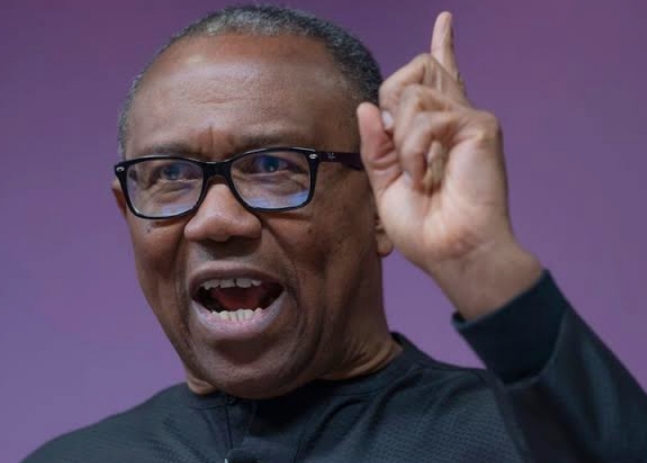
OBI BLASTS TINUBU OVER N200TRILLION DEBT BURDEN, DEMANDS ACCOUNTABILITY FOR OVER N100TRILLION BORROWED IN THREE YEARS
June 9, 2026
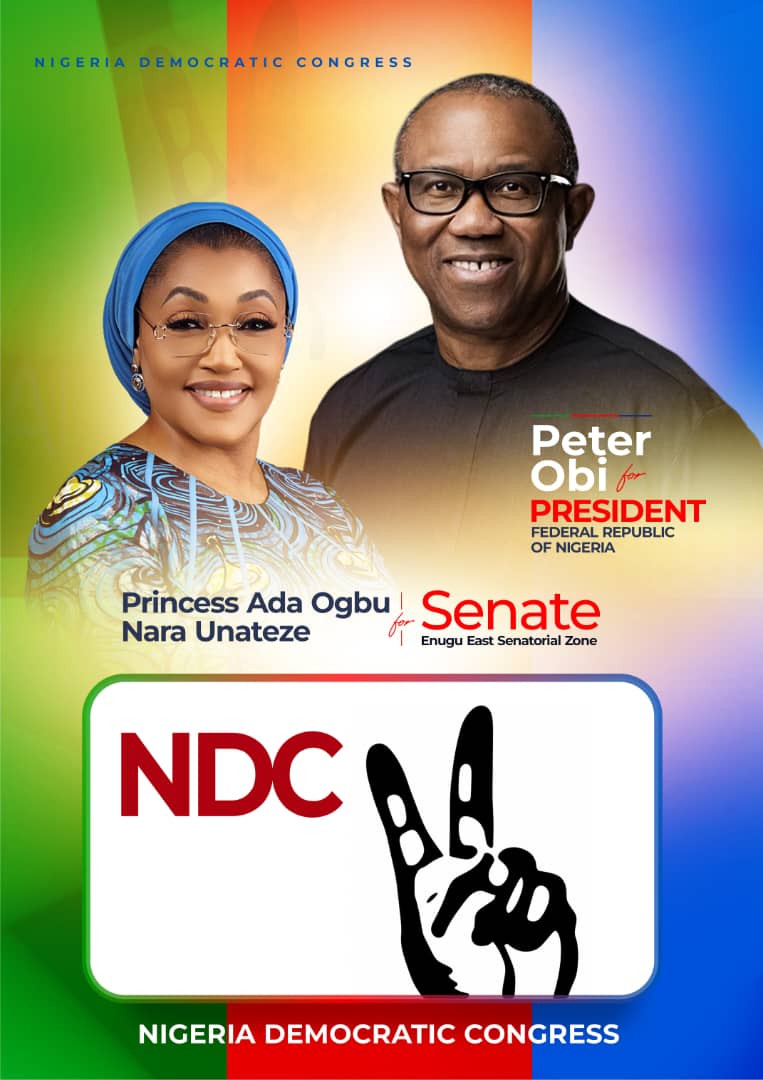
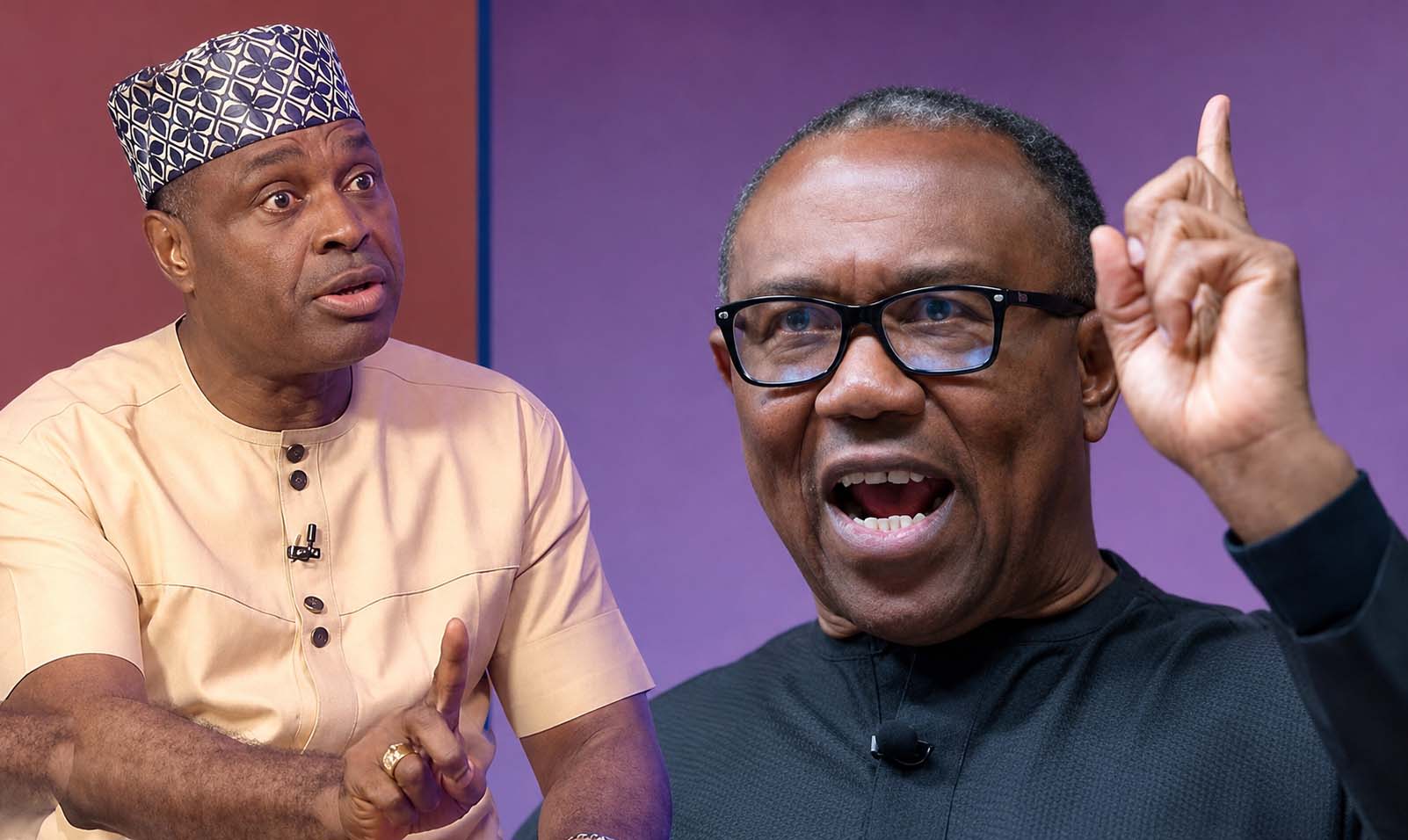
Former Labour Party presidential candidate and 2027 Nigeria Democratic Congress (NDC) presidential hopeful, Peter Obi, has launched a scathing attack on President Bola Tinubu’s administration over Nigeria’s rising debt profile, accusing the government of reckless borrowing, poor fiscal discipline, and a troubling lack of transparency in the management of public funds.
In a strongly worded statement posted on his official X account on Tuesday, Obi expressed alarm over what he described as an unprecedented escalation of Nigeria’s debt burden, claiming that the country’s total public debt has surged to nearly N200 trillion under the current administration.
According to Obi, the increase represents more than N100 trillion in additional debt within just three years, a development he argued raises serious questions about the government's financial management strategy and commitment to accountability.
The former Anambra State governor contrasted the current debt situation with that of the administration of former President Muhammadu Buhari, noting that Buhari accumulated approximately N49 trillion in debt during his eight years in office.
“President Bola Tinubu’s administration has engaged in remarkably imprudent borrowing, escalating Nigeria’s total debt to approximately N200 trillion. This represents an increase of over N100 trillion within a mere three years, a stark contrast to the roughly N49 trillion accumulated during President Muhammadu Buhari’s eight-year tenure,” Obi stated.
He warned that the growing debt burden could have severe implications for the country’s economic future, especially as millions of Nigerians continue to struggle with rising inflation, unemployment, and a declining standard of living.
Obi further cited figures from the Budget Office, claiming that the Federal Government borrowed N11.89 trillion during the first three quarters of 2025, from January to September, despite an approved borrowing target of N10.34 trillion for the same period.
According to him, the government exceeded its borrowing limit by approximately N1.54 trillion without providing adequate explanations to Nigerians.
He argued that in a transparent and accountable system, such a significant deviation from approved fiscal projections would trigger public scrutiny and demand immediate clarification from relevant government agencies.
“Under a responsible and accountable government, such an overshoot would necessitate rigorous scrutiny and explanation from relevant governmental bodies. Regrettably, this is not the reality under the current administration,” Obi said.
The former presidential candidate also questioned the utilization of the borrowed funds, alleging that only a small portion of the money was invested in capital projects capable of stimulating economic growth.
According to his analysis, only N3.10 trillion was allocated to capital expenditure during the January–September 2025 period. He noted that this figure represented just 17.66 percent of the N17.58 trillion budgeted for capital projects, leaving what he described as a funding gap of approximately N14.48 trillion.
Obi said the apparent mismatch between borrowing levels and infrastructure spending raises concerns about where the remaining funds were deployed.
“The most disturbing aspect of the financial management fiasco under Bola Tinubu is that there is no explanation or information regarding how the balance was utilised or deployed,” he said.
“The question that Nigerians are rightly asking and deserve an answer to is what happened to the balance? Was it deployed for recurrent expenditure and consumption, for the entertainment of guests in Aso Rock, or transferred to a Renewed Hope Agenda 2027 election campaign fund?”
He maintained that Nigerians deserve full disclosure regarding how borrowed funds are spent, insisting that transparency remains a cornerstone of responsible governance.
Nigeria’s debt profile has come under increasing scrutiny since the Tinubu administration introduced sweeping economic reforms in 2023, including the removal of petrol subsidies and the unification of the foreign exchange market.
While the government has consistently defended the reforms as necessary steps to stabilize public finances and attract investment, the policies initially triggered sharp increases in fuel prices, transportation costs, inflation, and the cost of living.
The depreciation of the naira has also significantly increased the local currency value of Nigeria’s external debt obligations, placing additional pressure on public finances and debt servicing commitments.
President Tinubu disclosed in May 2026 that Nigeria is expected to spend approximately $11.6 billion on debt servicing this year, a figure that has intensified concerns among economists and financial analysts about the sustainability of the country's borrowing strategy.
The latest criticism from Obi has reignited debate over Nigeria’s fiscal direction, with supporters of the government arguing that borrowings are necessary to fund critical infrastructure projects, boost economic growth, and address longstanding development deficits.
However, critics warn that continued borrowing without corresponding increases in productive investments and economic output could push the country deeper into a debt-without-growth trap, where rising debt obligations consume resources that could otherwise be invested in education, healthcare, infrastructure, and job creation.
As concerns mount over the nation’s debt trajectory, pressure is expected to grow on the Federal Government to provide clearer explanations regarding the utilization of borrowed funds and the long-term strategy for managing Nigeria’s rapidly expanding debt burden.
For many Nigerians already grappling with economic hardship, the central question remains whether the rising debt is translating into tangible improvements in their daily lives or merely placing future generations under an even heavier financial burden.
We keep you informed and involved with anything from breaking news to thought-provoking opinion articles.