Explosions heard all over Iran as US strikes ...... Welcome to Glintnews......
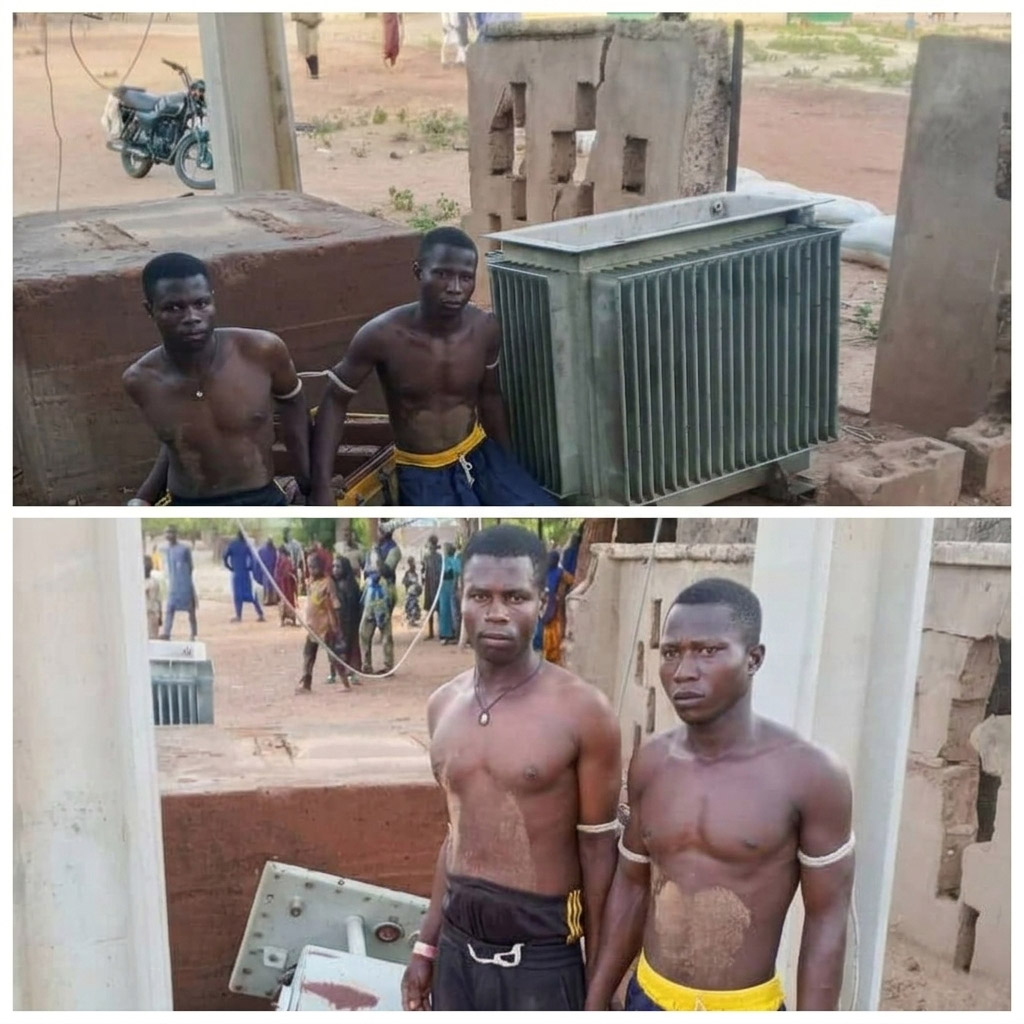
Troops Arrest Six Vandals, Recover Stolen Transformer in Sokoto
In a major breakthrough against the systemic sabotage of public infrastructure in the North-West, troops operating under the theater of counter-insurgency operations have arrested six suspected vandals in the Tsamaye area of Sabon-Birni Local Government Area, Sokoto State. The swift, intelligence-led operation also resulted in the successful recovery of a high-value industrial electric transformer that had been de-linked and stolen by the criminal syndicate.
The operation was executed following a tip-off regarding suspicious movements around a public utility installation in the Tsamaye axis, a border community that has been under close military surveillance due to recent security challenges. Acting on the actionable intelligence, troops mobilized to the scene, intercepting the six-man gang as they were attempting to transport the heavy electrical equipment out of the local government area. Alongside the recovered transformer, specialized mechanical tools, cutting gear, and logistical equipment used to dismantle the infrastructure were seized from the suspects.
The arrest highlights a growing concern for authorities who have noted a rise in coordinated attacks on the state's utility grid. Sabon-Birni Local Government Area is primarily recognized as a critical zone in the military's ongoing offensive against banditry and terrorism under Operation Fansan Yamma.
However, authorities have increasingly pointed out the dangerous convergence between rural banditry and organized economic sabotage, where criminal elements exploit security gaps to dismantle government assets.

Security experts note that the theft of critical infrastructure is rarely an isolated property crime; rather, it is often tied to wider illicit networks that exploit vulnerable border communities. Vandals frequently target state-owned electrical installations to strip out high-value copper coils, insulating transformer oil, and armored cables.
These materials are subsequently funneled into sophisticated black markets and scrap metal rings, providing quick cash flows that can fund broader criminal enterprises.
The impact of this specific theft on the Tsamaye community and its environs is profound. The destruction of such vital utility assets plunges rural communities into prolonged darkness, paralyzes small businesses, and compromises local security by knocking out street lighting and communication grid power.
By dismantling this network, the military has prevented a long-term economic blackout for thousands of residents who rely on the transformer for their daily livelihood.
Military officials emphasized that denying these syndicates the revenue generated from economic sabotage is a crucial component of the overall strategy to restore stability to the region. By protecting public utilities, security forces are effectively strangling the logistics and financial lifelines of local criminal networks that thrive on chaos and the breakdown of public services.
The six suspects are currently in military custody, where they are undergoing preliminary interrogations aimed at unmasking their broader network. Investigators are particularly focused on identifying the wealthy receivers and scrap metal dealers who incentivize these high-risk thefts by buying the stolen components. The military intends to trace the entire supply chain to ensure that not just the field operatives, but the financiers of the operation are brought to justice.
Upon the conclusion of the initial military investigation, the suspects, along with the recovered transformer and mechanical exhibits, will be handed over to the appropriate civil security agency—either the Nigeria Police Force or the Nigeria Security and Civil Defence Corps (NSCDC)—for formal arraignment and prosecution.
Meanwhile, community leaders and residents in Sabon-Birni have been urged to remain vigilant and promptly report any unauthorized personnel loitering around public utility installations to security agencies to prevent future occurrences.
We keep you informed and involved with anything from breaking news to thought-provoking opinion articles.