Explosions heard all over Iran as US strikes ...... Welcome to Glintnews......
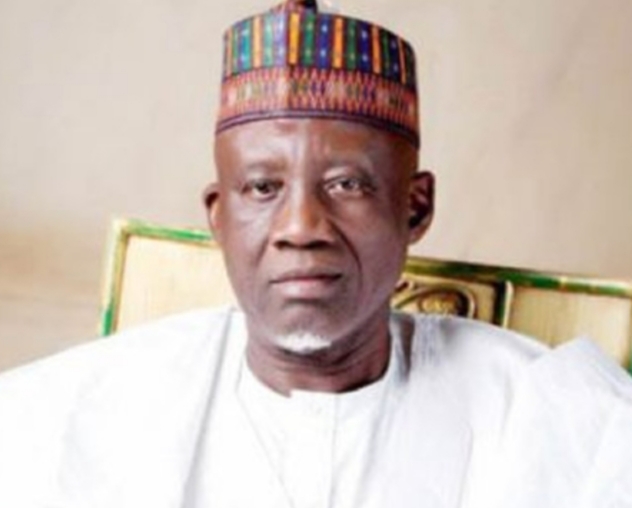
AI Must Create Jobs, Not Take Them Away — Nigerian Government Warns at Global Labour Conference
The Federal Government of Nigeria has called for urgent global action to ensure that artificial intelligence (AI) supports decent work and economic prosperity rather than becoming a threat to workers and employment opportunities.
Speaking at the 114th Session of the International Labour Conference in Geneva, Switzerland, Nigeria's Minister of Labour and Employment, Dr. Muhammad Dingyadi, stressed the need for inclusive, human-centred AI policies that protect workers' rights while allowing countries to harness the immense benefits of technological innovation.
Addressing delegates during discussions on the International Labour Organisation (ILO) Director-General’s report titled “A Moment of Choice: Harnessing Artificial Intelligence for Decent Work,” Dingyadi warned that although AI is transforming industries and creating new economic possibilities, it also presents significant risks that governments must not ignore.
According to the minister, the rapid advancement of artificial intelligence is reshaping labour markets, workplace practices, and employment relationships across the globe at an unprecedented pace. While AI-driven technologies are improving efficiency, boosting productivity, and opening up new sectors of economic activity, they are simultaneously raising concerns over job displacement, widening inequality, and the diminishing role of human labour in many industries.
"The world is moving forward at a rapid pace, driven largely by advances in artificial intelligence, and we as an organisation must match that pace," Dingyadi said. "While we welcome the opportunities and positive transformations AI offers, we are also mindful of the uncertainties and challenges that accompany these developments."
He noted that every technological revolution brings both winners and losers, warning that the benefits of AI could be overshadowed if adequate safeguards are not put in place.
"Where AI creates new jobs, there may also be job losses. Where digital and AI infrastructure expands, there may be a gradual erosion of the traditional role and value of human workers. We therefore need a balanced approach that ensures societies do not lose the gains of decent work while pursuing technological advancement," he added.
The minister emphasized that governments, employers, labour unions, and international institutions must collaborate to develop policies that place people at the centre of technological transformation. Such policies, he said, should focus on protecting jobs, enhancing workers’ rights, expanding social protection systems, and equipping employees with the skills required to thrive in an increasingly digital economy.
Highlighting Nigeria's commitment to digital innovation, Dingyadi pointed to the establishment of the Federal Ministry of Communications, Innovation and Digital Economy as a major step toward positioning the country as a leading player in the global digital landscape.
He revealed that Nigeria has already begun integrating artificial intelligence and digital technologies into public administration through the automation of civil service operations and improved service delivery mechanisms.
"I am pleased to inform this conference that Nigeria is steadily harnessing the benefits of digital transformation within our public service. We have introduced service-wide automation of civil service processes and communications, with AI playing a significant role. Additionally, platform-based work continues to gain momentum across various sectors of the economy," he stated.
Dingyadi also welcomed ongoing efforts within the ILO to establish global standards for workers operating in the platform economy, including those engaged in digital and app-based employment. He stressed the importance of ensuring that emerging forms of work created by technological innovation are governed by labour standards that guarantee fair wages, workplace protections, and social security.
Beyond the issue of artificial intelligence, the minister renewed Nigeria's longstanding call for reforms within the International Labour Organisation. He urged member states to accelerate the ratification of the 1986 Amendment to the ILO Constitution and review the criteria used to determine countries of Chief Industrial Importance.
According to him, such reforms would make the organisation more inclusive, equitable, and representative of the realities of today's global economy, particularly for developing nations seeking greater participation in international decision-making processes.
The minister further called on countries to align the ILO Centenary Declaration and the Global Coalition for Social Justice with national development goals, arguing that technological innovation must ultimately serve the broader objectives of social progress, economic inclusion, and sustainable development.
Nigeria's intervention comes amid intensifying global debate over the future of work in the age of artificial intelligence. Experts and international development agencies have repeatedly noted that while AI is expected to automate routine and repetitive tasks, it also has the potential to create entirely new industries and employment opportunities in areas such as software engineering, data science, cybersecurity, robotics, digital services, and advanced manufacturing.
However, concerns remain that workers in clerical, administrative, and routine operational roles may face significant disruptions unless governments invest heavily in education, digital literacy, reskilling programmes, and workforce transition initiatives.
These concerns have become a central theme at the ongoing International Labour Conference, where governments, employers, and workers' representatives are exploring ways to ensure that AI contributes to productivity and economic growth without undermining labour rights, job security, and social justice.
For Nigeria, the debate carries particular significance as the country pursues an ambitious digital transformation agenda aimed at expanding broadband penetration, strengthening the digital economy, attracting technology investments, and creating millions of technology-driven jobs for its rapidly growing youth population.
Industry experts have consistently argued that achieving these goals will require sustained investment in digital skills development, innovation ecosystems, quality education, and strong worker protection frameworks to ensure that the benefits of artificial intelligence are shared broadly across society rather than concentrated in the hands of a few.
We keep you informed and involved with anything from breaking news to thought-provoking opinion articles.