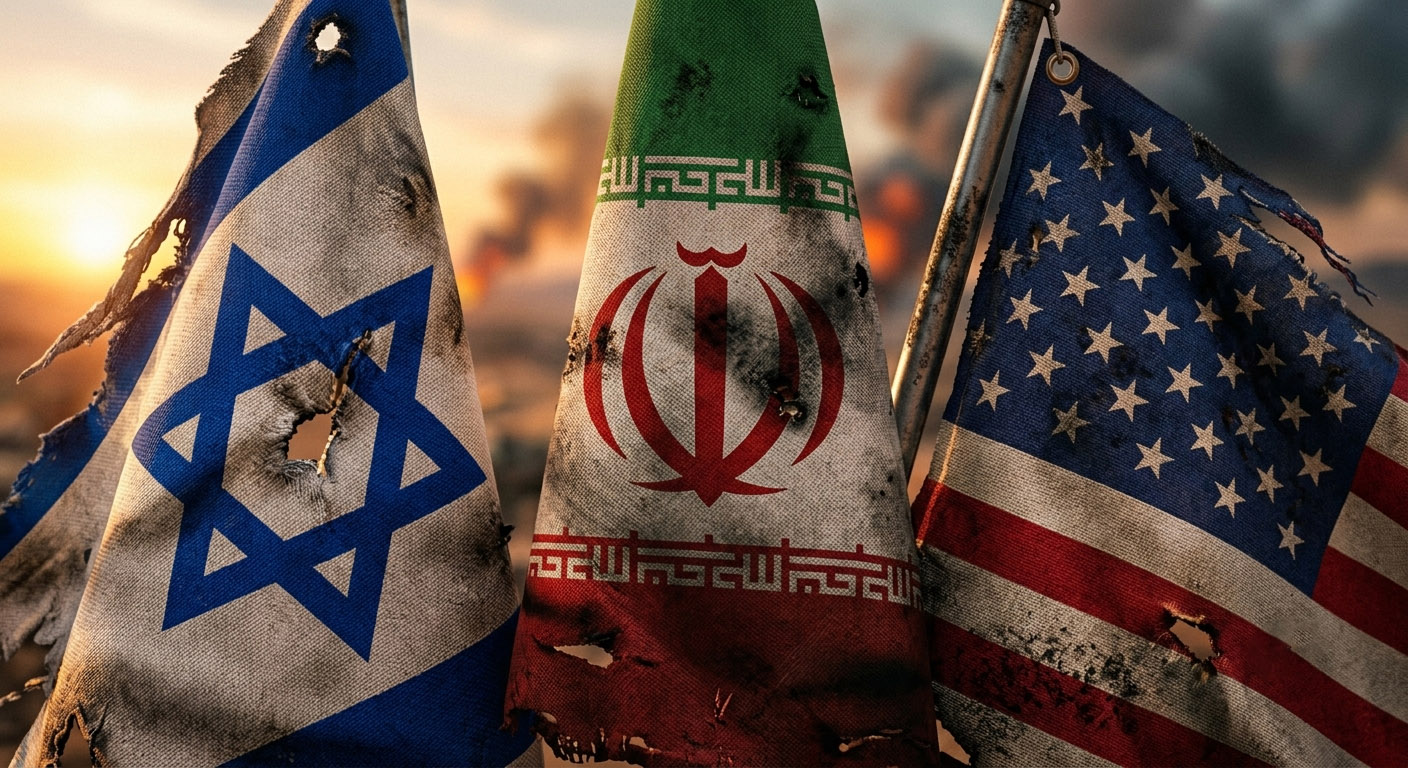
GULF WAR FEARS INTENSIFY: Iran Launches Retaliatory Strikes on U.S. Military Targets in Bahrain and Jordan After American Attack on Iranian Territory
Middle East Edges Toward a Regional Conflict as Tehran and Washington Exchange Direct Military Blows
By GlintNews International Desk
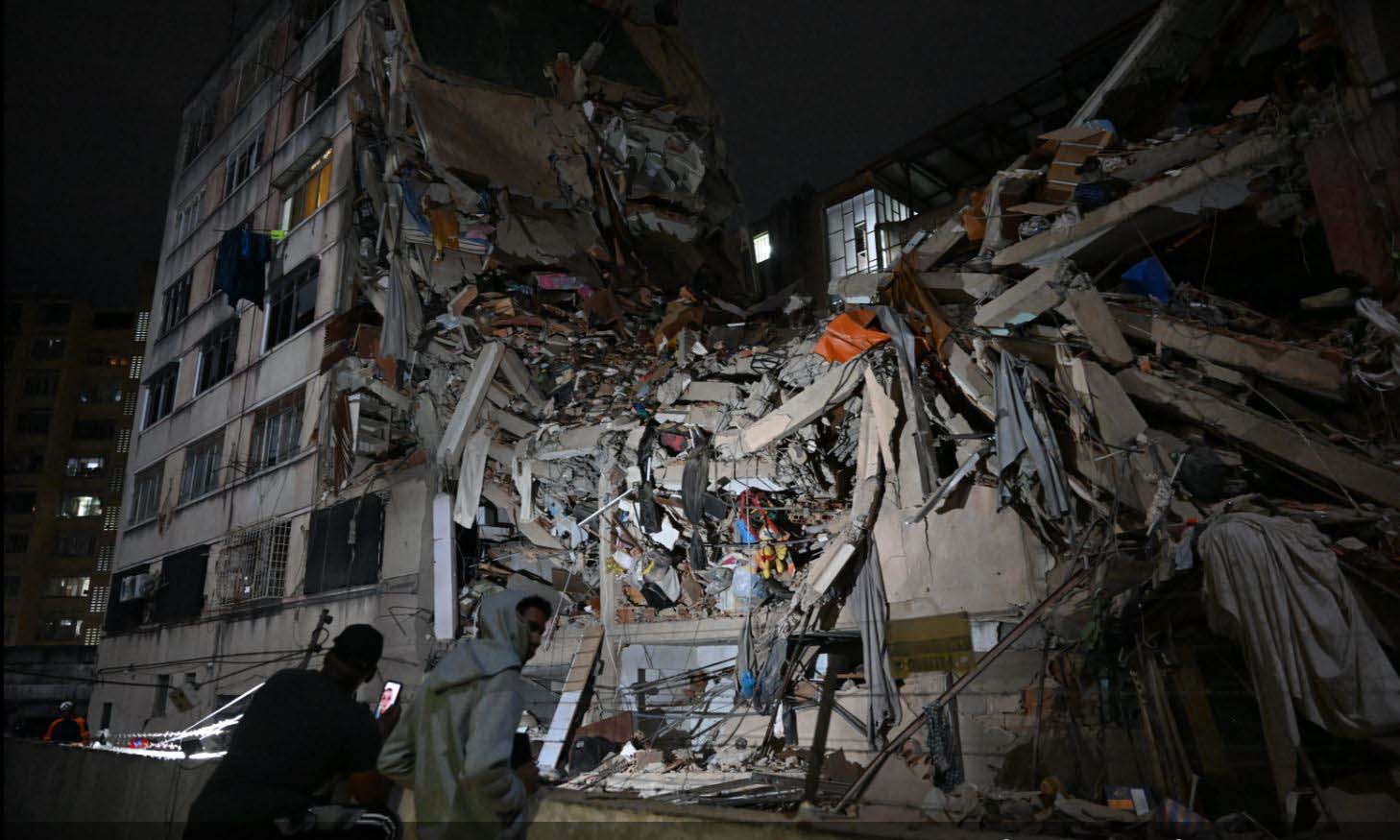
The Middle East has entered one of its most volatile and dangerous periods in decades following a dramatic escalation between the United States and Iran, with Tehran launching retaliatory attacks against American military assets in Bahrain and Jordan after U.S. forces conducted strikes inside Iranian territory.
The latest developments mark a significant turning point in the long-running confrontation between Washington and Tehran. For years, the two adversaries have largely engaged through proxy conflicts, covert operations, economic sanctions, cyber warfare, and indirect military confrontations across the region. However, the current crisis has moved beyond the traditional shadow war, bringing both nations into a direct military exchange that is now threatening to engulf the wider Gulf region.
The escalation began after the United States Central Command (CENTCOM) announced that it had carried out what it described as "self-defence strikes" against Iranian targets in southern Iran. According to the U.S. military, the operation was conducted in response to the downing of an American helicopter over the strategically vital Strait of Hormuz by Iranian forces earlier this week.
Iran swiftly condemned the American action, accusing Washington of violating its sovereignty and crossing a dangerous red line. Within hours, the Islamic Revolutionary Guard Corps (IRGC) announced what it described as a retaliatory military operation targeting U.S. military facilities across the Gulf region.
Iranian military officials claimed that the operation included strikes against the headquarters of the United States Fifth Fleet in Bahrain and an American military installation in Jordan. Reports also emerged from Gulf sources indicating that Kuwait had come under attack during the wider operation, although the precise nature and extent of the reported strikes remain unclear as authorities continue to assess the situation.
The exchange of military action represents one of the most serious direct confrontations between the United States and Iran since the 1979 Iranian Revolution.
How the Crisis Unfolded
The current escalation appears to have been triggered by an incident over the Strait of Hormuz, one of the world's most strategically important waterways.
According to American military officials, a U.S. helicopter operating near the strait was brought down by Iranian forces. The incident immediately heightened tensions in a region already strained by months of military confrontations involving Iran, Israel, American forces, and several armed groups operating across the Middle East.
The Strait of Hormuz remains a critical chokepoint for global energy supplies. Approximately one-fifth of the world's oil trade passes through the narrow waterway connecting the Persian Gulf to international markets. Any military confrontation in the area carries significant implications not only for regional security but also for the global economy.
Following the helicopter incident, CENTCOM launched military strikes targeting locations in southern Iran that U.S. officials said were linked to the attack.
Iranian authorities responded by promising a "firm and proportional response," warning that American military assets across the region would be held accountable.
Those warnings materialized within hours.
The IRGC announced that American military positions in Bahrain and Jordan had been targeted as part of a retaliatory campaign designed to demonstrate Iran's ability to strike U.S. forces throughout the Middle East.
While official casualty figures have not yet been released, military analysts note that even limited attacks against such strategically significant installations represent a major escalation in regional tensions.
Why Bahrain Matters
One of the most consequential aspects of the Iranian response is the reported targeting of the United States Fifth Fleet headquarters in Bahrain.
The Fifth Fleet serves as one of America's most important military commands outside the continental United States. Based in Manama, Bahrain, the fleet oversees naval operations across the Persian Gulf, Arabian Sea, Gulf of Oman, Red Sea, and parts of the Indian Ocean.
The command plays a central role in:
Protecting commercial shipping routes.Countering piracy and maritime threats.Monitoring Iranian naval activity.Supporting military operations throughout the Middle East.Securing global energy supply routes.
Thousands of American military personnel operate from facilities associated with the Fifth Fleet, making it one of Washington's most important strategic assets in the region.
Any successful strike against such a facility would carry both military and symbolic significance.
Military experts note that Iran has long viewed the Fifth Fleet as a primary strategic target in the event of a broader confrontation with the United States.
Jordan Drawn Into the Conflict
The reported attack on a U.S. military installation in Jordan underscores the widening geographic scope of the crisis.
Jordan has traditionally served as one of Washington's most reliable regional partners and hosts multiple military facilities used by American forces.
The kingdom occupies a strategic location bordering Iraq, Syria, Saudi Arabia, Israel, and the occupied Palestinian territories.
For years, Jordan has played a crucial role in intelligence sharing, counterterrorism operations, and logistical support for U.S. military missions across the region.
An attack on American facilities within Jordan raises concerns that the conflict may no longer be confined to the Gulf region and could potentially spill across a much broader area of the Middle East.
Kuwait's Strategic Position
Reports indicating that Kuwait may also have come under attack have further heightened concerns among regional governments.
Kuwait hosts several major American military installations, including logistics hubs that support U.S. operations throughout the Middle East.
The country played a vital role during the Gulf War and remains an important security partner for Washington.
Should the reported attacks on Kuwait be confirmed, it would suggest that Iran's response is targeting the broader network of American military infrastructure across the region rather than a single installation.
The Numbers Behind America's Military Presence
The United States maintains one of the largest overseas military networks in the world, with tens of thousands of personnel stationed across the Middle East.
Current estimates indicate that U.S. forces are distributed across:
Bahrain, Kuwait, Qatar, Jordan, Iraq, Syria, Saudi Arabia, United Arab Emirates
Collectively, these facilities support air operations, naval deployments, intelligence missions, missile-defense systems, and counterterrorism efforts.
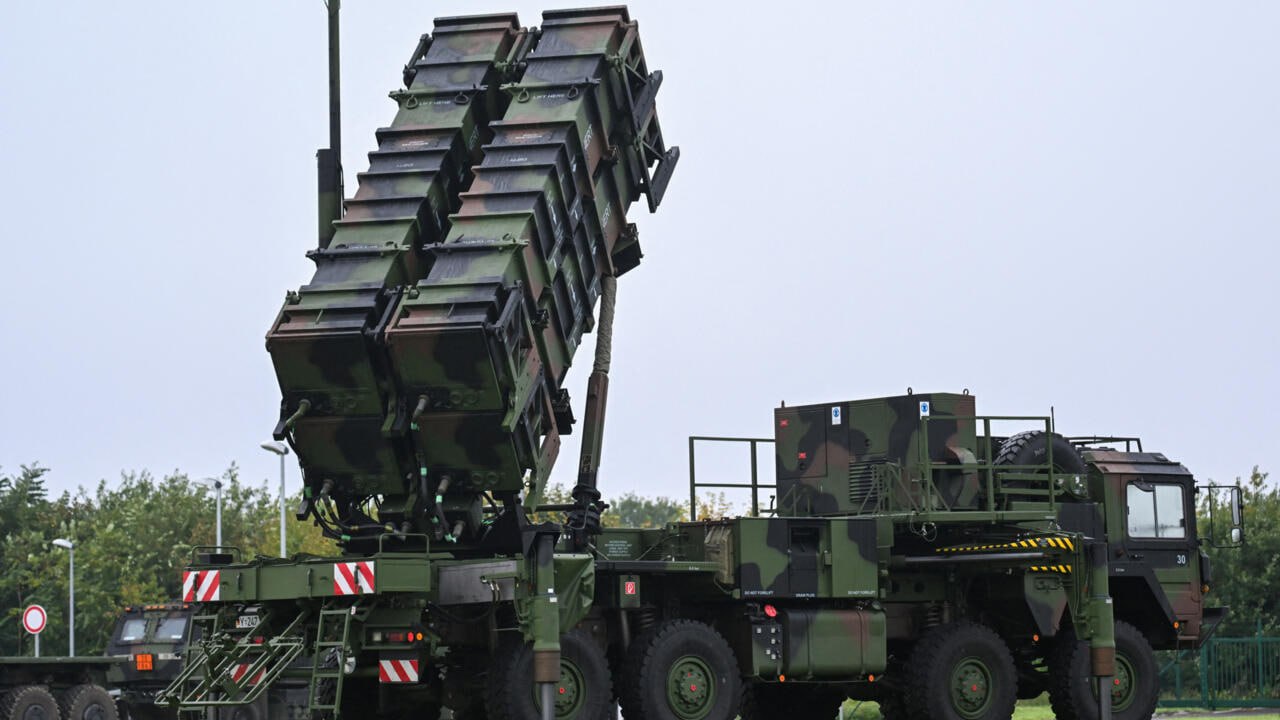
The Gulf region alone contains some of the world's most sophisticated military infrastructure, including advanced radar systems, air-defense networks, strategic bombers, naval strike groups, and missile interception capabilities.
Iran's missile arsenal, meanwhile, is considered one of the largest in the Middle East.
Various international assessments estimate that Tehran possesses:
Thousands of ballistic missiles.Hundreds of cruise missiles.Extensive drone capabilities.Advanced naval strike assets.Long-range precision weapons.
This combination creates a highly dangerous environment in which any escalation can rapidly spread beyond the immediate battlefield.
Impact on Global Energy Markets
Beyond the military implications, the crisis is sending shockwaves through global energy markets.
The Persian Gulf remains the center of global oil exports, and any threat to maritime security immediately affects international energy prices.
Market analysts have repeatedly warned that prolonged disruptions in the Strait of Hormuz could impact:
Global oil supplies.LNG shipments.International shipping costs.Inflation rates.Energy security in Europe and Asia.
Major importers such as China, India, Japan, and South Korea depend heavily on energy exports passing through Gulf waters.
Even the perception of instability can trigger market volatility and increase transportation insurance costs.
A Region Already Under Pressure
The current confrontation comes against the backdrop of broader instability across the Middle East.
Over the past several years, regional tensions have intensified through conflicts involving:
Iran and Israel.Armed groups in Lebanon.Militant organizations in Iraq and Syria.Security challenges in the Red Sea.Maritime incidents in the Gulf.
The latest U.S.-Iran confrontation risks connecting multiple flashpoints into a single wider crisis.
Security analysts warn that miscalculations, retaliatory strikes, or accidental engagements could trigger a chain reaction involving multiple countries and armed actors.
International Reactions Expected
World leaders are expected to intensify diplomatic efforts in the coming hours as concerns grow over the possibility of a wider regional war.
Several governments have already called for restraint and urged both Washington and Tehran to avoid further escalation.
International organizations are closely monitoring the situation amid fears that continued military exchanges could threaten global economic stability and international security.
The coming days are likely to determine whether the latest strikes remain a limited exchange of force or evolve into a broader confrontation with consequences extending far beyond the Middle East.
For now, military forces across the Gulf remain on heightened alert, commercial shipping operators are reassessing security conditions, and governments around the world are watching closely as one of the world's most strategically important regions stands at a critical crossroads.
This is a developing story. Casualty figures, damage assessments, and independent verification of battlefield claims remain limited. Additional information is expected as military and government officials release further details.