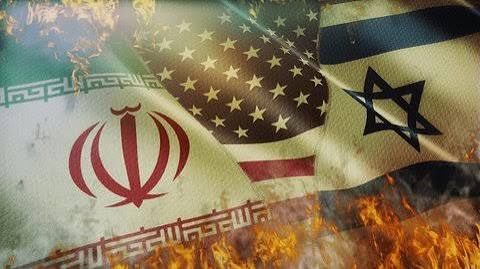
Explosions heard all over Iran as US strikes ...... Welcome to Glintnews......
DISILLUSIONMENT IN ISRAEL? Voices of War Fatigue Emerge as Conflict With Iran Reshapes Public Mood
TEL AVIV, Israel — As tensions between Israel and Iran continue to reverberate across the Middle East, a growing sense of exhaustion and uncertainty appears to be taking hold among segments of the Israeli public, with some citizens openly questioning the direction and outcome of years of regional confrontation.
Interviews circulating on social media and regional news platforms have highlighted expressions of frustration from Israeli residents who believe the country has paid a heavy price amid repeated cycles of conflict, military mobilization, and security crises. While the Israeli government continues to project confidence in its strategic position, some citizens argue that the prolonged confrontation has disrupted daily life and eroded public morale.
One resident interviewed in Tel Aviv remarked that Israel "has not been winning for two years already, almost three," reflecting a sentiment shared by others who feel that the country's security challenges have intensified rather than diminished. Another citizen stated that "the people of Israel are losing for sure," pointing to economic pressures, social anxiety, and the constant threat of escalation.
The comments emerge against the backdrop of one of the most volatile periods in the Middle East in recent years. Since the outbreak of regional hostilities involving multiple actors, Israel has faced attacks from various fronts, including missile and drone strikes attributed to Iranian-backed groups, while direct tensions between Israkel and Iran have also escalated dramatically.
A Region on Edge
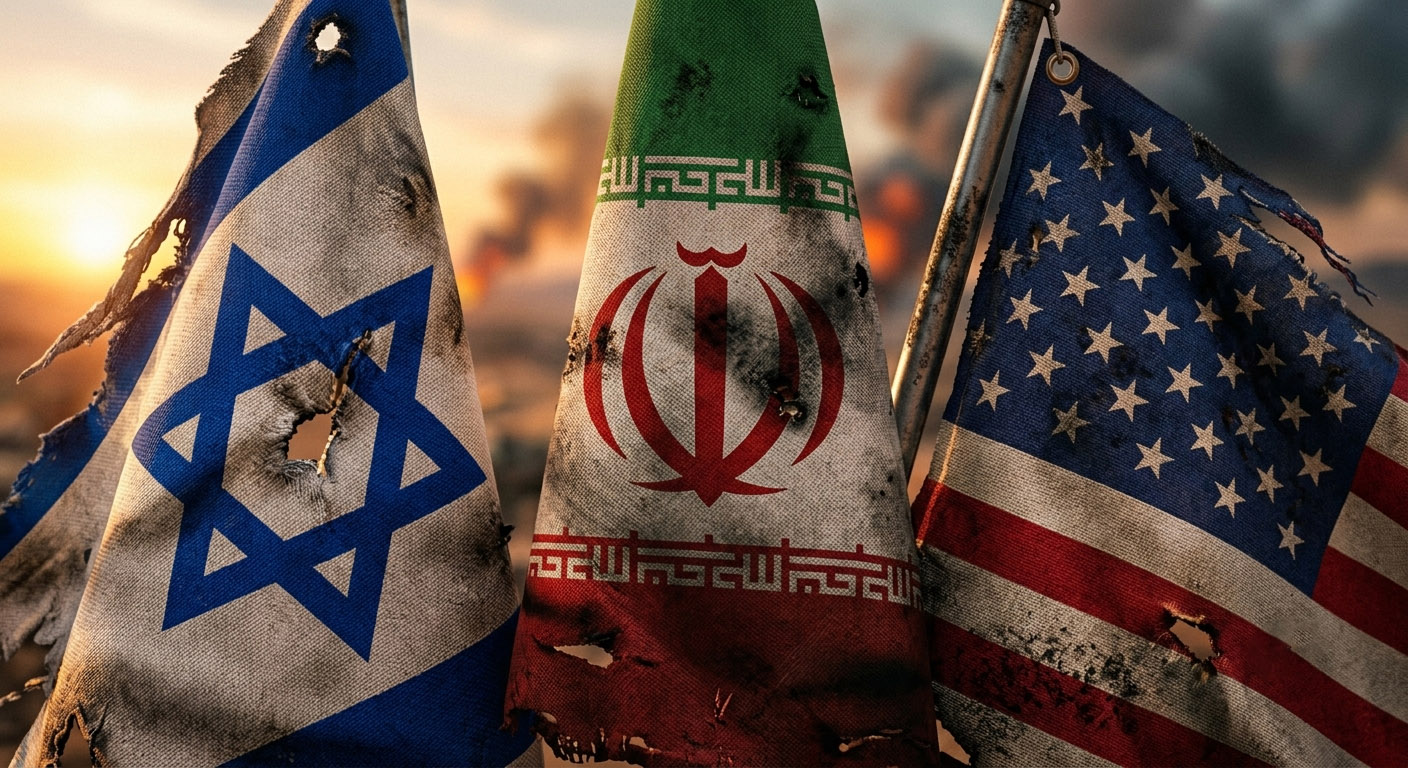
The confrontation between Israel and Iran has evolved from a decades-long shadow conflict into a more direct and dangerous rivalry. For years, both nations engaged in covert operations, cyber warfare, intelligence battles, and proxy conflicts stretching across Lebanon, Syria, Iraq, and Yemen.
However, recent developments have seen a sharp increase in direct military exchanges, raising concerns among international observers that the region could be pushed closer to a broader war. Iranian missile launches, retaliatory strikes, and heightened military alerts have become recurring features of the regional security landscape.
For ordinary Israelis, the consequences have extended beyond the battlefield. Air raid sirens, shelter warnings, disruptions to travel, and concerns over future security have become part of daily life in many communities. Business owners in some areas report reduced customer activity, while tourism and investment sectors have faced periods of uncertainty whenever tensions surge.
Security analysts note that even when military objectives are achieved, prolonged conflict often creates psychological and economic burdens that are difficult to measure solely through battlefield outcomes.
Prime Minister Benjamin Netanyahu has consistently maintained that a strong military posture is necessary to safeguard Israel's security and counter perceived threats from Iran and its regional allies. His government has argued that decisive action essential to prevent hostile forces from gaining strategic advantages near Israel's borders.
Supporters of Netanyahu contend that Israel's military campaigns have weakened adversarial networks and demonstrated the country's ability to respond forcefully to threats. They argue that the security challenges facing Israel require long-term resilience rather than expectations of quick victories.
Critics, however, question whether years of confrontation have delivered the promised security benefits. Opposition figures and some members of civil society have argued that repeated escalations have contributed to instability while exposing Israeli communities to ongoing risks.

The debate has become increasingly prominent as citizens weigh the human, economic, and political costs of continued confrontation against the perceived necessity of maintaining military pressure on regional adversaries.
The Human Cost of Endless Conflict
Across the Middle East, the ongoing rivalry between Israel and Iran has produced consequences far beyond military calculations. Civilians on multiple sides of the conflict have experienced displacement,m economic hardship, and heightened insecurity.
Experts warn that prolonged wars and recurring military confrontations often generate public fatigue regardless of political affiliations. As conflicts drag on, populations frequently begin asking whether strategic goals remain achievable and whether the sacrifices demanded by prolonged hostilities are sustainable.
In Israel, these questions appear to be surfacing with greater frequency among some segments of the population. While public opinion remains diverse and many Israelis continue to support strong security measures, the emergence of openly critical voices highlights the complex domestic debate unfolding within the country.
InternationalmInternationalmmInternationalmmaoo
Governments and international organizations continue to call for restraint amid fears that further escalation could destabilize the wider Middle East. Diplomatic efforts aimed at preventing a broader regional war remain ongoing, though prospects for a lasting de-escalation remain uncertain.
Analysts caution against interpreting individual interviews as representing the views of the entire Israeli population. Nevertheless, such comments provide a glimpse into the anxieties and frustrations felt by some citizens after years of conflict and recurring security crises.
As the confrontation between Israel and Iran continues to evolve, one reality is becoming increasingly clear: beyond military calculations and geopolitical ambitions, ordinary people across the region are bearing the weight of a conflict whose ultimate outcome remains uncertain.
Whether these expressions of disillusionment represent an emerging trend or isolated opinions, they underscore a broader truth of modern warfare victory is often measured not only on the battlefield, but also in the confidence, security, and resilience of the societies involved.
We keep you informed and involved with anything from breaking news to thought-provoking opinion articles.