Explosions heard all over Iran as US strikes ...... Welcome to Glintnews......
Middle East Tensions Escalate as U.S. Strikes Iran; Tehran Issues Stark Warning Amid Reports of New Explosions
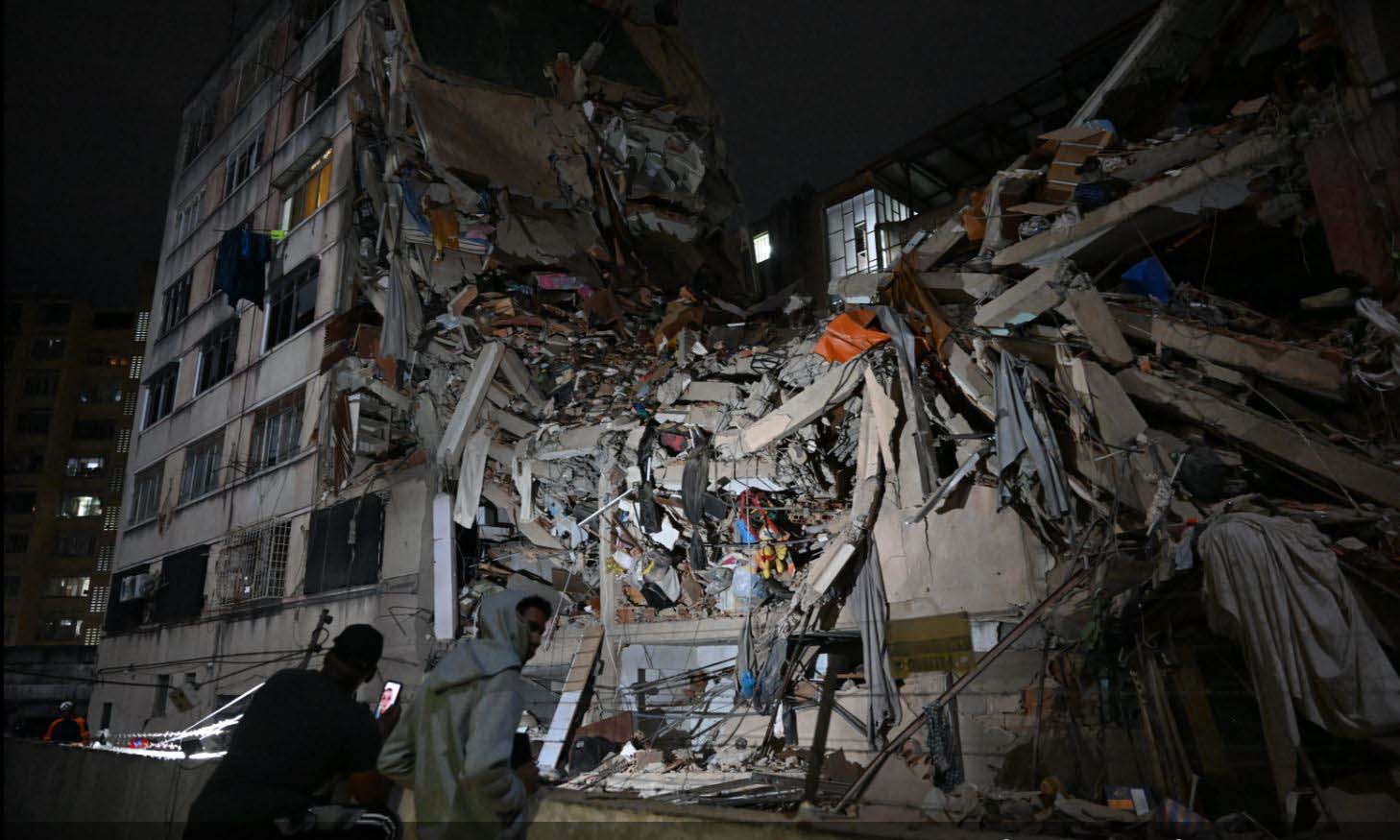
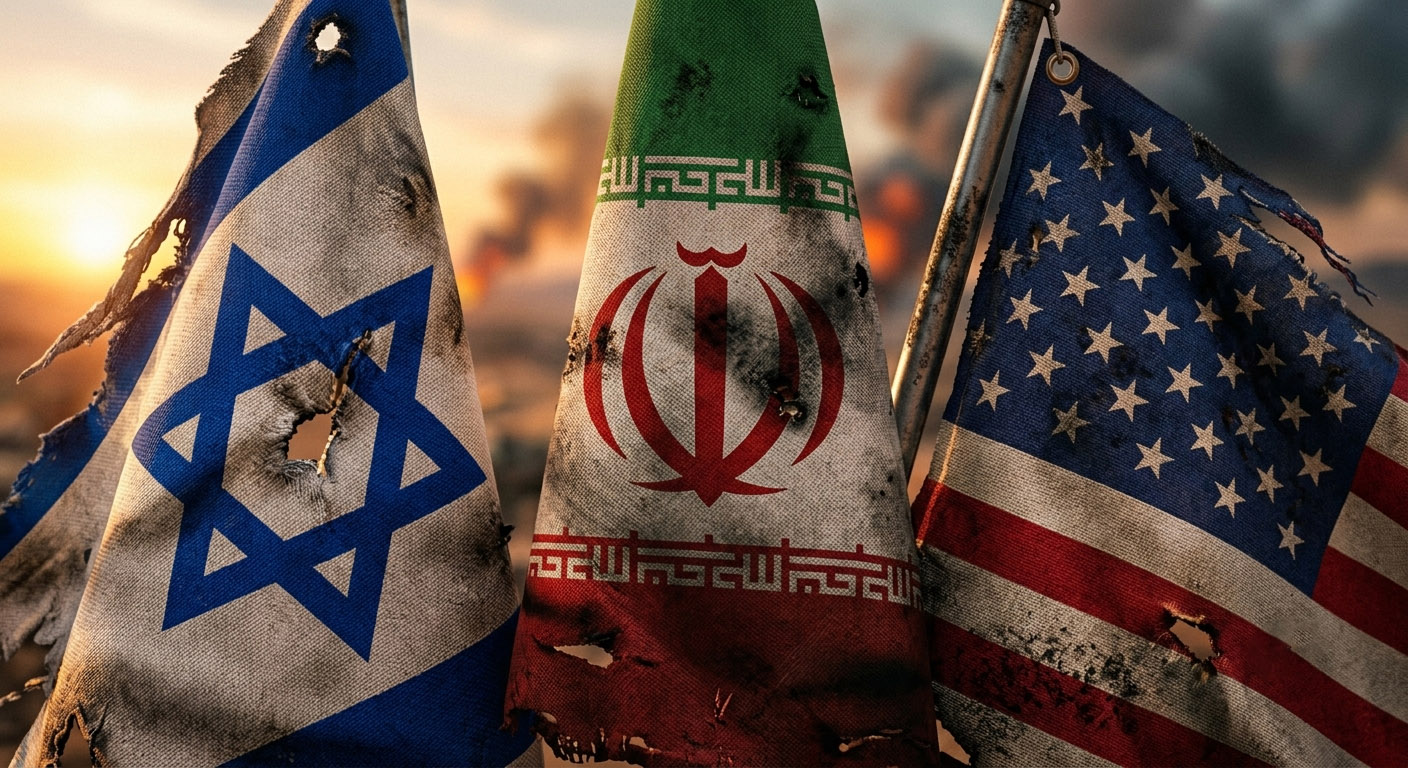
TEHRAN/WASHINGTON — A new and dangerous phase in the confrontation between the United States and Iran appears to be unfolding following reports of fresh American military strikes on Iranian territory, renewed explosions in several southern regions of Iran, and increasingly forceful rhetoric from senior Iranian officials.
According to multiple media reports, the United States has launched a new wave of attacks against targets inside Iran, reportedly in response to the downing of an Apache helicopter. The developments have heightened fears of a broader regional conflict that could draw in neighboring countries and disrupt one of the world's most strategically important waterways.
The latest escalation comes amid ongoing diplomatic efforts and fragile negotiations, raising concerns among international observers that military actions could undermine any remaining prospects for de-escalation.
Reports of Strikes Across Southern Iran
Iranian and international media reported renewed attacks targeting several locations in southern Iran, including Qeshm Island, Minab, Sirik, and areas near Jask County.
According to Iran's Mehr News Agency, residents reported hearing at least six explosions in and around strategic southern regions. Additional reports indicated explosions near Jask County, an area located along the Gulf of Oman and close to critical maritime routes.
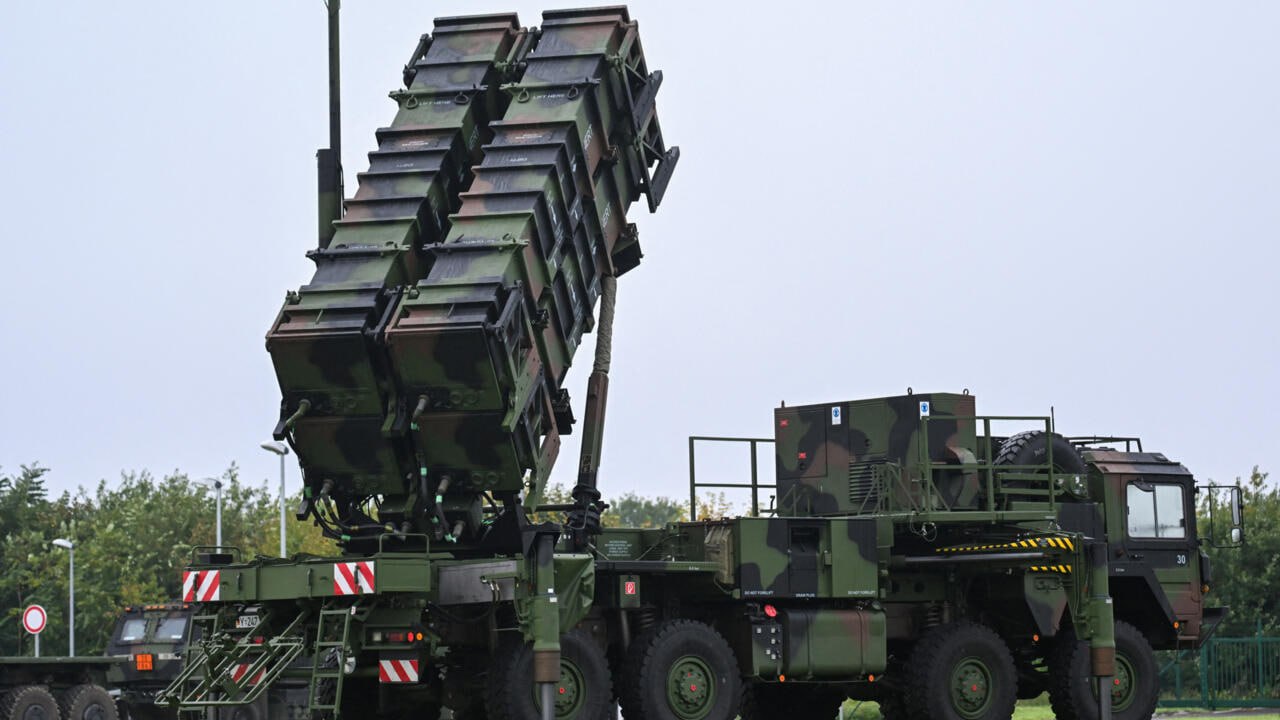
Fox News reported that U.S. forces continued operations against Iranian military infrastructure, allegedly targeting air defense systems and radar installations. The strikes, according to the report, were designed to weaken Iran's ability to monitor and respond to aerial operations.
However, Iranian authorities later stated that some locations initially reported as being targeted had not actually been struck. Officials in Tehran specifically denied reports that ports on Qeshm Island had been hit, describing some early reports as inaccurate amid the confusion surrounding the attacks.
Civilian Infrastructure Allegedly Hit
One of the most controversial claims emerging from the latest round of hostilities involves alleged attacks on civilian water infrastructure.
Reports from Iranian sources stated that strikes in Sirik reportedly hit two drinking water reservoirs in the Bamani area, disrupting water supplies to local communities.
such incidents could intensify international scrutiny and raise questions regarding the humanitarian impact of military operations in populated areas.
Regional Airspace Closures Signal Growing Alarm
The escalating security situation has already begun affecting neighboring Gulf states.
Reports indicate that both Qatar and Kuwait have temporarily closed portions of their airspace as a precautionary measure amid fears that the conflict could spread beyond Iranian territory.
Aviation analysts note that airspace closures in the Gulf region are rare and typically reflect serious concerns regarding missile activity, military operations, or broader security threats.
The Gulf region serves as a major global aviation hub, and any prolonged restrictions could affect international flight routes connecting Europe, Asia, and Africa.
U.S. Military Activity Intensifies
Adding to concerns about a widening conflict, reports emerged that U.S. Air Force tanker aircraft were conducting aerial refueling operations over Saudi airspace.

Military experts note that such operations are often associated with sustained combat air missions, allowing fighter aircraft to remain airborne for extended periods and conduct operations deep into contested areas.
While Washington has not publicly released detailed operational information regarding the latest strikes, American officials reportedly characterized the attacks as a limited response intended to send a message to Tehran.
According to CNN, a U.S. official stated that Washington hopes the latest strikes will not derail ongoing diplomatic efforts and described the operation as a "warning shot" aimed at deterring further escalation.
The statement suggests that while the United States seeks to demonstrate military resolve, it may still be attempting to avoid a full-scale conflict with Iran.
Iranian Foreign Minister Issues Strong Warning
Amid the escalating tensions, Iranian Foreign Minister Seyed Abbas Araghchi issued a strongly worded statement warning the United States and other foreign powers against military intervention in the region.
In a message posted on social media, Araghchi declared:
"Despite its defeats on the battlefield, the U.S. opted to test our determination. Our powerful armed forces will leave no attack or threat unanswered. Leave our region if you want to be safe. History of the Persian Gulf has many chapters on dire fates of intruding outsiders."
The statement was accompanied by an image bearing the phrase "Forever Persian Gulf," underscoring Iran's longstanding position regarding the historical and geopolitical identity of the waterway.
The remarks represent one of the strongest public warnings issued by a senior Iranian official since the latest escalation began and are likely to be interpreted as a signal that Tehran may consider retaliatory measures if attacks continue.
Strategic Importance of the Persian Gulf
The Persian Gulf remains one of the most strategically significant regions in the world.
Roughly a fifth of global oil shipments pass through nearby maritime routes, particularly the Strait of Hormuz, making stability in the area a matter of international concern.
Any sustained military confrontation could affect global energy markets, commercial shipping, and regional security arrangements involving Gulf Arab states, Iran, the United States, and other international actors.
Historically, the Gulf has witnessed numerous confrontations involving foreign military powers, regional rivalries, and disputes over navigation and security.
Iran has frequently emphasized what it describes as its responsibility to defend the region against external intervention, while the United States maintains a substantial military presence across several Gulf countries in support of its allies and maritime security operations.
Diplomatic Uncertainty Grows
The renewed hostilities come at a delicate moment for diplomacy.
International mediators have spent months attempting to reduce tensions between Washington and Tehran, particularly concerning regional security, sanctions, and broader geopolitical disputes.
Analysts warn that continued military exchanges increase the risk of miscalculation, where limited strikes and retaliatory actions could rapidly evolve into a wider regional conflict involving multiple state and non-state actors.
Several governments are expected to closely monitor developments in the coming hours as reports continue to emerge from southern Iran.
Situation Still Developing
As of the time of publication, official casualty figures have not been released, and many claims regarding the extent of the damage remain independently unverified.
Authorities in Tehran continue to assess the impact of the reported strikes, while Washington has yet to provide a comprehensive public briefing on the scope of the operation.
With explosions reported across multiple locations, airspace restrictions expanding, and senior Iranian officials issuing warnings of retaliation, the latest developments mark one of the most serious escalations in U.S.–Iran tensions in recent years
We keep you informed and involved with anything from breaking news to thought-provoking opinion articles.