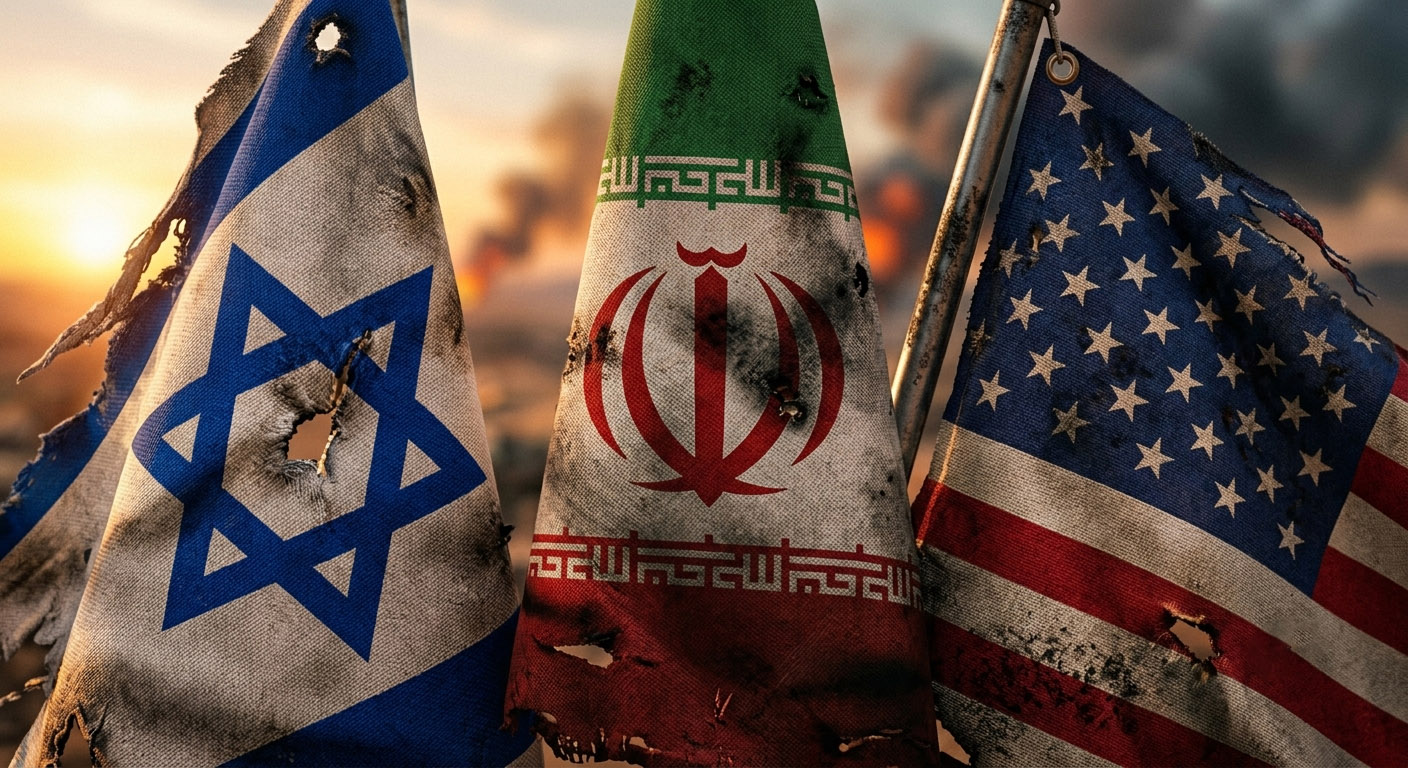
Explosions heard all over Iran as US strikes ...... Welcome to Glintnews......
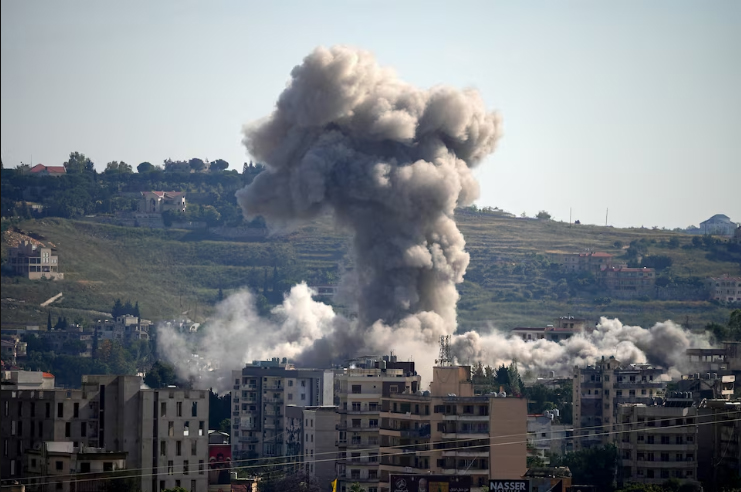
U.S.-Iran Ceasefire on Brink of Collapse as Lebanon Conflict Escalates
The precarious truce established between Tehran and Washington in early April faces an imminent collapse if Israeli military operations against Iran-aligned Hezbollah forces in Lebanon persist. According to a reliable source in Tehran, the diplomatic backchannel has deteriorated rapidly, with Iran halting indirect negotiations with the United States in protest of deeper Israeli troop advancements into Lebanese territory.
While top Iranian officials have not publicly confirmed the suspension of talks, U.S. President Donald Trump indicated he had received no formal notification regarding a pause. Commenting on the delicate situation, Trump noted that excessive public discourse was hindering diplomacy, suggesting that a period of silence would be beneficial.
Despite the public ambiguity, reports from reliable sources close to the negotiations indicate that Tehran’s delegation has stopped exchanging mediated messages with Washington. The diplomatic freeze immediately rattled global energy markets, sending oil prices surging by more than $6 a barrel.
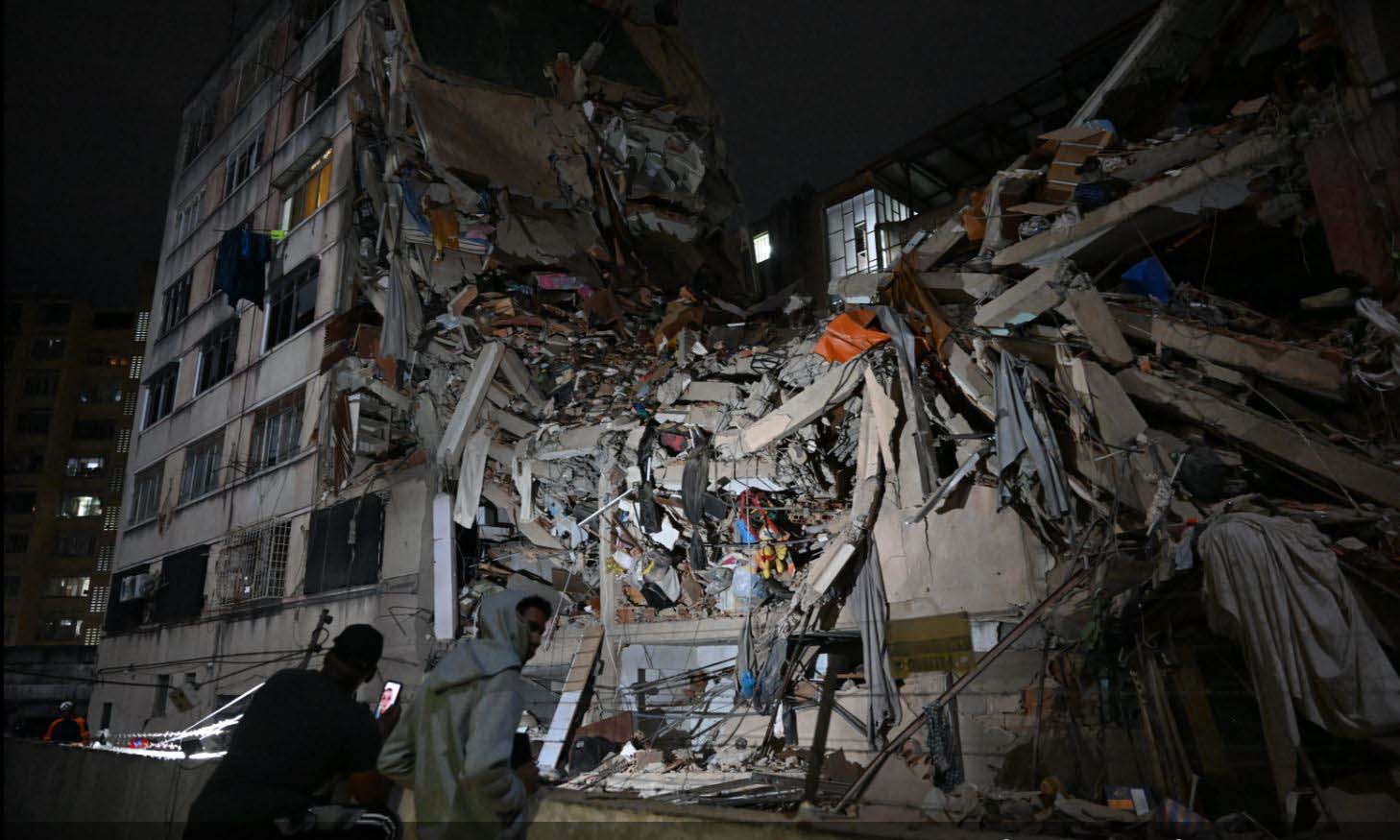
The diplomatic breakdown coincides with a sharp escalation on the ground. Israeli Prime Minister Benjamin Netanyahu ordered targeted strikes on Hezbollah-controlled sectors in southern Beirut on Monday, citing repeated truce violations by the militant group. The ongoing hostilities have already triggered mass displacements, uprooting over one million people across Lebanon.
Tehran has adopted a rigid stance linking the various regional flashpoints. Iranian Foreign Minister Abbas Araqchi warned that a truce violation on one front effectively invalidates ceasefire agreements across all theaters, holding Washington and Israel entirely accountable for the fallout. In a parallel warning, Iranian military commanders advised residents in northern Israel to evacuate the area to avoid coming under fire.
The multi-front conflict, which erupted late last year, has exacted a heavy human toll and inflicted severe global economic strain. The crisis intensified dramatically after Iran restricted maritime traffic through the Strait of Hormuz—a vital choke point for international oil and liquefied natural gas supplies.
Behind the scenes, reliable sources close to Iranian decision-makers reveal that Tehran’s primary objective remains securing a limited, interim pact with Washington. Such an agreement is seen as vital to easing suffocating domestic economic pressures without forcing Iran into sweeping concessions regarding its nuclear program.
However, a sustainable peace remains elusive as both sides continue to trade tactical blows:
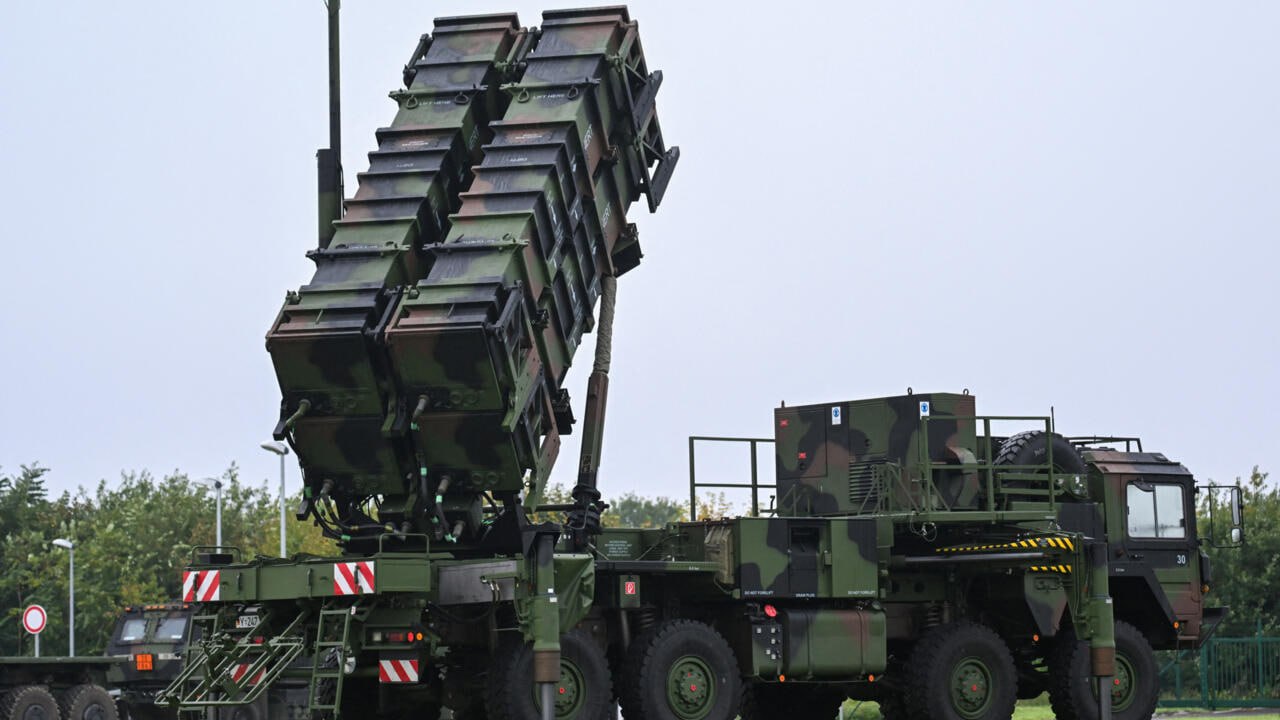
Maritime Attrition: The U.S. military confirmed it destroyed Iranian air defense systems, a ground control hub, and multiple drones over the weekend, citing aggressive maneuvers against international shipping lines.
Retaliatory Missile Strikes: Iran's elite military wing announced it had targeted an American-utilized airbase in response to strikes on southern Iran.
Kuwait Defenses Activated: U.S. forces successfully intercepted two Iranian ballistic missiles aimed at American installations in Kuwait. While no personnel were injured, Kuwaiti authorities activated their air defense systems and strongly condemned the regional escalation.
Amid the friction, international mediation efforts continue, with Pakistan's foreign ministry expressing deep concerns over the long-term viability of the current ceasefires during bilateral talks.
The escalating crisis places significant political pressure on President Trump ahead of the upcoming November congressional elections. Voters are expressing sharp dissatisfaction with soaring domestic gasoline prices driven by the Hormuz blockade, forcing the administration to balance the urgent need for economic stabilization against potential domestic political backlash from foreign policy hawks opposed to making any concessions to Tehran.
While Washington maintains that its primary objective is preventing Iran from acquiring a nuclear weapon, Tehran continues to maintain that its nuclear program is entirely peaceful. Deep divisions persist over secondary issues, including Iran's demands for total sanctions relief, the unfreezing of tens of billions of dollars in trapped oil revenues, and the immediate lifting of the U.S. naval blockade on Iranian ports.
We keep you informed and involved with anything from breaking news to thought-provoking opinion articles.